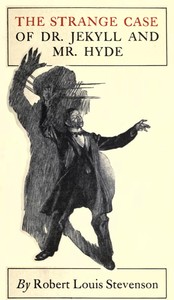
지킬 박사와 하이드 학습자료 - 미국 유학, AP English, SAT Reading 대비
영어 원문을 근거로 Strange Case of Dr. Jekyll and Mr. Hyde을 AP English Literature, SAT Reading, IB English, 미국식 에세이로 연결하는 실전 학습 가이드입니다.
이 학습자료는 미국식 문학 수업과 영어 에세이 작성을 목표로 합니다. 작품 전체 흐름을 먼저 잡고 싶다면 본문 해설을 먼저 읽어도 좋습니다.
이 자료의 목표
한국어로 설명하지만, 실제 시험과 수업에서 필요한 표현은 영어로 익히는 방식입니다. 목표는 지킬 박사와 하이드의 줄거리 암기가 아니라 textual evidence → close reading → interpretation → thesis로 이어지는 답안 작성 능력입니다.
- 작품의 주요 사건을 시험용 구조로 정리하기
- 짧은 영어 근거를 해석 문장으로 바꾸기
- 문학 장치를 thesis와 body paragraph로 연결하기
- SAT Reading 유형과 AP Lit essay 질문에 대비하기
1. Quick Review
- Original title: Strange Case of Dr. Jekyll and Mr. Hyde
- Author: Robert Louis Stevenson
- Published: 1886
- Source: Project Gutenberg eBook #43
- Genre: Gothic novella, psychological fiction
- Core themes: Duality, Repression, Respectability, Documents
- Exam focus: plot structure, character motive, symbolism, diction, irony, and ending interpretation
2. 시험용 줄거리 구조
1. 문, 유언장, 하이드라는 이름
변호사 어터슨은 친구 엔필드에게서 이상한 이야기를 듣습니다. 어느 밤, 작고 기형적으로 불쾌한 남자가 어린아이를 짓밟고 지나갔고, 사람들의 압박을 받자 보상금을 지불했다는 이야기입니다. 그 남자의 이름은 하이드입니다.
시험 답안에서는 이 장면을 단순 사건이 아니라 인물의 욕망, 사회적 압력, 상징이 만나는 지점으로 정리하세요.
2. 하이드의 폭력과 지킬의 침묵
어터슨은 하이드를 직접 보고 강한 혐오감을 느낍니다. 흥미로운 점은 사람들이 하이드의 추함을 정확히 설명하지 못한다는 것입니다. 그는 단순히 못생긴 사람이 아니라, 보는 사람에게 도덕적 불쾌감을 일으키는 존재처럼 묘사됩니다.
시험 답안에서는 이 장면을 단순 사건이 아니라 인물의 욕망, 사회적 압력, 상징이 만나는 지점으로 정리하세요.
3. 핵심 원문 구절 읽기
이 구간은 단순히 "외울 만한 문장"을 모아 둔 목록이 아닙니다. 미국식 문학 수업에서는 짧은 원문 한 줄을 가져와도 그 문장이 놓인 장면, 말하는 사람의 위치, 단어 선택, 문장 리듬, 작품 전체의 주제까지 연결해야 합니다. 그래서 아래 Passage들은 모두 영어 원문을 그대로 두고, 장면 맥락과 close reading 방향을 함께 정리했습니다.
읽을 때는 먼저 문장의 표면 의미를 확인한 뒤, 눈에 띄는 단어를 표시하세요. 그 다음 그 단어가 인물의 욕망, 두려움, 권력, 계급, 정체성, 죄책감, 자유 같은 추상적 주제를 어떻게 보이게 만드는지 생각하면 됩니다. 좋은 답안은 "이 문장은 중요하다"에서 끝나지 않습니다. "이 문장의 특정 표현이 작품 전체의 의미를 이렇게 바꾼다"까지 말해야 합니다.
한국어 학습자는 원문을 번역해 이해하는 단계에서 멈추기 쉽습니다. 하지만 AP English, SAT Reading, IB English, 미국 학교 essay에서는 번역보다 evidence -> interpretation -> claim의 연결이 중요합니다. 아래 구절마다 Context, Close reading, Essay use를 따로 둔 이유도 이 때문입니다. 먼저 영어 문장을 읽고, 이어서 한국어 해설을 통해 답안 문장으로 바꾸는 훈련을 해보세요.
Passage 1: I incline to Cain's heresy
“I incline to Cain’s heresy,” he used to say quaintly: “I let my brother go to the devil in his own way.”
맥락: 어터슨은 친절하고 신중한 변호사로 소개되지만, 이 문장은 그의 미덕이 곧 한계가 될 수 있음을 보여 줍니다. 그는 타인의 사생활에 개입하지 않는 태도를 도덕적 절제로 여기지만, 그 절제가 지킬의 비밀을 너무 오래 보호합니다.
읽는 법: Cain's heresy는 성서적 암시를 통해 형제의 책임을 피하는 태도를 떠올리게 합니다. let my brother go to the devil의 가벼운 말투는 gentlemanly tolerance처럼 들리지만, 실제로는 악을 방치하는 침묵의 위험을 품습니다.
시험 포인트: AP/IB에서는 point of view와 social discretion을, SAT에서는 allusion이 character presentation을 어떻게 복잡하게 만드는지 분석할 수 있습니다.
Essay use: Stevenson makes Utterson's restraint morally double, turning civility into a habit that delays confrontation with evil.
Passage 2: the sinister door
The door, which was equipped with neither bell nor knocker, was blistered and distained.
맥락: 초반의 문 묘사는 하이드의 정체가 밝혀지기 전부터 독자에게 공간적 증거를 줍니다. 존경받는 거리 뒤편에 낡고 닫힌 입구가 있다는 사실 자체가 지킬의 사회적 얼굴과 은폐된 욕망을 나눕니다.
읽는 법: neither bell nor knocker는 소통과 환대의 부재를, blistered and distained는 표면의 상처와 오염을 암시합니다. 문장은 건축 묘사처럼 보이지만, 실제로는 도덕적 부패를 물질 표면에 새깁니다.
시험 포인트: AP/IB에서는 setting as symbol로, SAT에서는 descriptive detail이 mood와 theme을 어떻게 형성하는지 묻는 문제로 연결됩니다.
Essay use: The damaged door makes hidden corruption visible within the architecture of respectable London.
Passage 3: Hyde is not easy to describe
He is not easy to describe. There is something wrong with his appearance; something displeasing, something down-right detestable.
맥락: 엔필드는 아이를 짓밟은 하이드를 설명하려 하지만 정확한 외모 묘사에 실패합니다. 이 실패가 중요합니다. 하이드는 단순히 못생긴 인물이 아니라, 언어가 붙잡기 어려운 도덕적 혐오감으로 제시됩니다.
읽는 법: not easy to describe, something wrong, something displeasing, detestable은 구체적 형상보다 감정 반응을 반복합니다. vague diction은 약점이 아니라 장치입니다. 독자는 하이드의 몸보다 그를 보는 사회의 본능적 거부감을 먼저 읽게 됩니다.
시험 포인트: AP/IB에서는 failed description과 dehumanization을, SAT에서는 반복되는 something의 기능을 분석할 수 있습니다.
Essay use: Hyde's failed description turns evil into a problem of perception before it becomes a solved mystery.
Passage 4: the will and disappearance
In case of Dr. Jekyll’s “disappearance or unexplained absence,” the said Edward Hyde should step into the said Henry Jekyll’s shoes.
맥락: 지킬의 유언장은 사적인 심리 문제가 이미 법적 문서 안으로 들어왔다는 증거입니다. 하이드가 지킬의 자리를 대신할 수 있다는 문구는 독자에게 identity와 property가 불안하게 연결되어 있음을 보여 줍니다.
읽는 법: disappearance or unexplained absence는 공포스러운 가능성을 차분한 법률 문구로 정상화합니다. step into...shoes는 관용구이지만, 여기서는 한 사람의 자리와 몸을 다른 사람이 대체하는 이미지로 섬뜩하게 작동합니다.
시험 포인트: AP/IB에서는 documents와 foreshadowing을, SAT에서는 legal diction이 suspense를 만드는 방식을 설명하면 좋습니다.
Essay use: The will turns Jekyll's divided private life into a public legal problem before the science is revealed.
Passage 5: ape-like fury
And next moment, with ape-like fury, he was trampling his victim under foot and hailing down a storm of blows.
맥락: Carew 살해는 하이드의 폭력이 은밀한 추문에서 공개 범죄로 확대되는 순간입니다. 하이드는 더 이상 소문 속 불쾌한 남자가 아니라 사회 질서를 직접 파괴하는 몸이 됩니다.
읽는 법: ape-like 비유는 퇴행과 비인간화를 만들고, trampling, hailing down, storm of blows는 폭력이 폭풍처럼 쏟아지는 이미지를 만듭니다. 톤은 고딕적이고 물리적이며, 억압된 욕망이 더 이상 실내에 갇혀 있지 않음을 보여 줍니다.
시험 포인트: AP/IB에서는 simile과 repression의 폭발로, SAT에서는 figurative language가 Hyde의 character function을 어떻게 바꾸는지 분석할 수 있습니다.
Essay use: Stevenson's animal simile makes Hyde's violence look like the return of desire stripped of social restraint.
Passage 6: sinner and sufferer
If I am the chief of sinners, I am the chief of sufferers also.
맥락: 지킬은 자신을 죄인으로 인정하면서도 동시에 고통받는 피해자로 제시합니다. 이 문장은 고백과 자기방어가 섞여 있는 그의 마지막 서술 방식을 미리 보여 줍니다.
읽는 법: chief of sinners와 chief of sufferers의 균형 잡힌 병렬은 죄책감과 자기연민을 같은 무게로 놓습니다. 문장이 너무 정돈되어 있기 때문에, 독자는 그의 고백이 진실하면서도 자기보호적이라는 점을 읽어야 합니다.
시험 포인트: AP/IB에서는 unreliable confession과 responsibility를, SAT에서는 parallel syntax가 tone을 어떻게 만드는지 묻는 문제로 연결됩니다.
Essay use: Jekyll's balanced syntax makes confession unstable because it turns guilt into a claim for sympathy.
Passage 7: the end of Henry Jekyll
Here then, as I lay down the pen and proceed to seal up my confession, I bring the life of that unhappy Henry Jekyll to an end.
맥락: 결말에서 살아 있는 설명은 사라지고 봉인된 문서가 진실을 대신합니다. 지킬은 고백을 끝내는 행위를 자신의 삶의 끝과 연결합니다.
읽는 법: lay down the pen, seal up my confession, bring the life...to an end는 글쓰기, 봉인, 죽음을 하나의 동작으로 묶습니다. 진실은 즉시 말해지는 것이 아니라 문서가 열릴 때 뒤늦게 도착합니다.
시험 포인트: AP/IB에서는 narrative structure와 delayed truth로, SAT에서는 ending sentence의 function을 분석할 수 있습니다.
Essay use: Jekyll's sealed confession turns writing into symbolic death, forcing readers to reconstruct identity after the body disappears.
4. Close Reading: 문서와 침묵의 미스터리 읽기
Dr. Jekyll and Mr. Hyde는 괴물의 정체를 맞히는 이야기처럼 보이지만, 시험 답안에서는 "왜 진실이 이렇게 늦게 도착하는가"를 읽어야 합니다. Stevenson은 문, 유언장, 편지, 봉인된 고백, 설명 실패를 통해 사회가 진실을 어떻게 관리하고 지연시키는지 보여 줍니다.
1단계: 누가 보았고 누가 말하지 않는지 확인하기
Enfield는 질문하지 않고, Utterson은 신중하게 움직이며, Jekyll은 말하지 않고, Lanyon과 Jekyll의 문서는 뒤늦게 열립니다. 이 작품의 plot은 정보가 부족해서만 느린 것이 아니라, gentlemanly discretion 때문에 느립니다.
2단계: 건축 묘사를 심리와 연결하기
문, 집의 정면, 실험실 입구, cabinet은 모두 지킬의 분열을 공간으로 만듭니다. 밝고 존경받는 front와 낡고 은밀한 entrance를 함께 읽으면 respectability와 repression을 한 문장으로 연결할 수 있습니다.
3단계: 설명 실패를 evidence로 쓰기
Hyde를 정확히 묘사하지 못하는 것은 작가의 부족함이 아닙니다. something wrong 같은 vague diction은 악이 아직 지식으로 정리되기 전, 감각과 사회적 혐오로 먼저 나타난다는 점을 보여 줍니다.
4단계: 문서 순서를 구조로 읽기
유언장은 초반 suspense를 만들고, Lanyon의 narrative는 과학적 충격을 증언하며, Jekyll의 statement는 마지막에 자기해명을 제공합니다. AP/IB 답안에서는 이 document sequence가 mystery를 moral argument로 바꾼다고 쓰면 좋습니다.
Worked example: 지킬의 유언장 문구
Literal situation: Utterson은 Jekyll의 유언장에서 Hyde가 Jekyll의 disappearance or unexplained absence 뒤에 그의 자리를 이어받는다는 내용을 읽습니다.
Evidence: disappearance, unexplained absence, step into...shoes.
Device: legal diction, foreshadowing, idiom.
Meaning: 법률 문구는 섬뜩한 실종 가능성을 행정적으로 정상화합니다. step into...shoes는 관용구이지만, 이 작품에서는 정체성과 몸의 대체를 암시하기 때문에 불안합니다.
Essay sentence: Stevenson uses the will's legal language to make Jekyll's private division appear as a public problem of inheritance, absence, and identity transfer.
5. Literary Devices: 지킬과 하이드에서 바로 쓰는 장치 9개
이 작품의 장치들은 모두 respectability와 repression을 드러내는 방향으로 작동합니다. 장면 근거와 함께 정리하세요.
1. Gothic Architecture: 문, 정면, 실험실
Scene evidence: 낡은 문, 존경받는 집의 정면, 은밀한 실험실 입구는 지킬의 사회적 명성과 숨은 욕망을 공간적으로 분리합니다.
Essay use: Use architecture to argue that respectable society depends on hidden spaces for disowned desire.
2. Biblical Allusion: Cain, devil, sin
Scene evidence: 어터슨의 Cain 암시, 지킬의 죄인 언어, devil 관련 표현은 과학 실험의 표면 아래 도덕적 책임 문제를 놓습니다.
Essay use: Use biblical allusion to show that the novella frames scientific division as ethical evasion.
3. Failed Description: 하이드를 설명하지 못함
Scene evidence: Enfield와 Utterson은 Hyde에게서 something wrong을 느끼지만 정확히 말하지 못합니다. 언어의 실패가 오히려 도덕적 혐오의 강도를 보여 줍니다.
Essay use: Use failed description to argue that evil is socially felt before it is intellectually named.
4. Legal and Document Structure: 유언장과 봉인된 고백
Scene evidence: 유언장, Lanyon의 기록, Jekyll의 sealed confession은 진실을 지연시키면서도 마지막에 독자의 판단 근거가 됩니다.
Essay use: Use documents to show how truth arrives only after speech, friendship, and social trust fail.
5. Doubling: Jekyll and Hyde
Scene evidence: Hyde는 별개의 악당처럼 보이지만 지킬이 책임을 분리하려고 만든 몸입니다. 두 인물의 관계는 good vs evil보다 desire vs responsibility에 가깝습니다.
Essay use: Use doubling to argue that the novella criticizes the fantasy of separating pleasure from accountability.
6. Repression Motif: 갇힌 욕망의 귀환
Scene evidence: 지킬이 Hyde를 억누를수록 Hyde는 더 강하게 돌아옵니다. long caged 같은 표현은 억압이 치료가 아니라 압력 축적임을 보여 줍니다.
Essay use: Use repression motif to show that hidden desire becomes more destructive when denied responsibility.
7. Animal Simile and Dehumanization: ape-like fury
Scene evidence: Carew 살해 장면에서 Hyde의 폭력은 동물적 비유와 폭풍 같은 동사로 표현됩니다. 사회적 예절이 벗겨진 욕망이 비인간적 폭력으로 나타납니다.
Essay use: Use animal imagery to connect Hyde's body with degeneration, violence, and the collapse of restraint.
8. Respectability Irony: 체면이 진실을 늦춤
Scene evidence: Utterson의 신중함, Enfield의 침묵, 지킬의 사회적 명성은 모두 선한 습관처럼 보이지만 진실 확인을 늦춥니다.
Essay use: Use irony to argue that respectable behavior can protect the very disorder it claims to prevent.
9. Delayed Point of View: 뒤늦게 열리는 증언
Scene evidence: 독자는 먼저 소문과 관찰을 얻고, 나중에 Lanyon과 Jekyll의 직접 설명을 받습니다. 읽기는 detective work에서 moral reconstruction으로 바뀝니다.
Essay use: Use delayed point of view to show how Stevenson's mystery form forces readers to assemble a divided identity from fragments.
6. 인물 분석을 영어 답안으로 바꾸기
인물 분석은 "누가 착하고 나쁜가"를 정리하는 구간이 아닙니다. 미국식 문학 essay에서는 인물을 주제와 문학 장치가 만나는 지점으로 읽어야 합니다. 한 인물이 어떤 욕망을 갖고 있는지, 무엇을 오해하는지, 어떤 사회적 압력을 받는지, 작품 끝에서 무엇을 드러내는지를 설명해야 좋은 답안이 됩니다.
한국어로 먼저 생각할 때는 인물을 다음 네 단계로 정리하세요.
- Role: 이 인물이 작품 안에서 맡는 기능
- Pressure: 이 인물이 받는 욕망, 두려움, 사회적 압력
- Device: 작가가 이 인물을 보여주는 방식, 예를 들어 contrast, irony, narration, symbolism
- Essay sentence: 영어 답안에 바로 쓸 수 있는 claim 문장
좋은 영어 답안 문장은 인물 이름만 말하지 않습니다. 다음처럼 인물과 주제, 장치를 함께 연결합니다.
Jekyll functions as a respectable self split by desire, and Stevenson's use of doubled identity reveals the violence hidden beneath social reputation.
아래 카드는 각 인물을 외우기 위한 것이 아니라, 인물 설명을 실제 essay language로 바꾸기 위한 예시입니다.
Henry Jekyll
respectable scientist and divided self
지킬은 선한 명성과 숨은 욕망을 함께 가진 인물입니다. 그의 실험은 자기 책임을 분리하려는 시도입니다.
Essay sentence: Jekyll’s confession exposes respectability as a performance that collapses when private desire refuses moral responsibility.
Edward Hyde
released appetite and moral violence
하이드는 지킬의 억압된 욕망이 몸을 얻은 형태입니다. 그는 자유처럼 시작하지만 곧 지배가 됩니다.
Essay sentence: Hyde is not a separate villain so much as the body Jekyll invents to turn appetite into action without a public name.
Gabriel Utterson
lawyer and cautious investigator
어터슨은 예절과 우정을 지키려 하지만, 바로 그 신중함 때문에 진실에 늦게 도달합니다.
Essay sentence: Utterson’s restraint makes him humane, but it also turns social discretion into a narrative delay that protects Jekyll too long.
Dr. Lanyon
rational witness destroyed by revelation
래니언은 합리적 세계관의 대표자입니다. 변신 장면은 그의 지식 체계를 무너뜨립니다.
Essay sentence: Lanyon’s collapse shows that rational certainty cannot survive a revelation that violates both science and moral order.
7. Thesis Builder
A strong thesis connects a specific scene, a literary technique, and the meaning of the whole work.
Duality
Divided Self
Weak: Jekyll has two sides.
Strong: Stevenson turns Jekyll’s theory that “man is not truly one” into a gothic plot, showing that a divided self becomes destructive when one part is excused from responsibility.
Repression
Pressure and Return
Weak: Repression is important.
Strong: Hyde’s growth after being “long caged” shows repression as pressure: the hidden appetite returns more violently because Jekyll names it as someone else.
Respectability
Social Mask
Weak: Victorian society is strict.
Strong: Utterson’s discretion, Jekyll’s dinner-table charm, and the respectable house front reveal a culture that protects reputation even when reputation hides harm.
Documents
Delayed Truth
Weak: Letters matter.
Strong: The will, Lanyon’s narrative, and Jekyll’s sealed confession make truth arrive through papers only after living speech and social trust have failed.
8. SAT Reading Sample
아래 문제는 공식 College Board 문제가 아니라, 작품 원문과 시험 유형을 바탕으로 만든 SAT Reading 스타일 연습문제입니다. 질문, 보기, Answer: X. 표기는 영어로 두고, 해설은 한국어로 정리했습니다.
Question 1
Enfield’s refusal to ask questions mainly suggests that Victorian discretion can:
- A. guarantee no crime occurred
- B. make Hyde vanish
- C. protect social peace while delaying moral truth
- D. turn Utterson into an omniscient narrator
Answer: C. 엔필드가 질문하지 않겠다는 태도는 예의와 체면이 사회적 평화를 지키면서도 진실 확인을 늦출 수 있음을 보여 줍니다. 범죄가 없었다거나 하이드가 사라진다는 보기는 침묵의 사회적 기능을 과장하거나 잘못 읽습니다.
Question 2
The neglected door most strongly functions to:
- A. make hidden corruption visible in architecture
- B. give real-estate information
- C. prove Jekyll is poor
- D. interrupt the mystery with comedy
Answer: A. 낡고 방치된 문은 단순한 부동산 정보가 아니라 존경받는 거리 뒤에 숨은 부패를 건축물로 보이게 합니다. 지킬의 가난이나 코미디 효과를 말하는 오답은 공간 묘사의 상징적 기능과 맞지 않습니다.
Question 3
The repeated inability to describe Hyde emphasizes:
- A. a medical diagnosis
- B. a failure of memory
- C. Hyde’s skill with disguises
- D. moral revulsion beyond visual description
Answer: D. 하이드를 설명하지 못하는 반복은 기억력 부족이 아니라 말로 붙잡기 어려운 도덕적 혐오감을 강조합니다. 의학 진단이나 변장 기술을 고르는 보기는 인물들이 느끼는 불쾌감의 언어적 한계를 놓칩니다.
Question 4
In the will, “disappearance or unexplained absence” creates suspense because it:
- A. settles inheritance calmly
- B. uses legal language to normalize a frightening possibility
- C. severs Jekyll from Hyde
- D. proves Utterson wrote it
Answer: B. 유언장의 법률 문구는 지킬의 사라짐이라는 섬뜩한 가능성을 정상적인 절차처럼 적어 긴장을 만듭니다. 상속이 평온하게 정리된다거나 하이드와 단절된다는 보기는 문서가 공포를 제도 언어로 감추는 효과를 읽지 못합니다.
Question 5
Hyde’s “ape-like fury” most clearly develops which idea?
- A. Utterson solves the case
- B. servants misunderstand science
- C. unrestrained desire appears as dehumanizing violence
- D. Carew provokes Hyde
Answer: C. "ape-like fury"는 억눌린 욕망이 문명적 예절을 잃고 비인간적인 폭력으로 터져 나오는 장면입니다. 하인들의 오해나 커루의 도발을 말하는 오답은 비유와 폭력 동사가 만드는 퇴행 이미지를 빗나갑니다.
Question 6
Jekyll’s “chief of sinners” and “chief of sufferers” mainly reveals:
- A. guilt mixed with self-pity
- B. comic comfort
- C. a complete legal confession
- D. rejection of religious language
Answer: A. 지킬은 죄인이라고 말하면서도 동시에 고통받는 사람으로 자신을 제시해 죄책감과 자기연민을 섞습니다. 완전한 법적 고백이나 희극적 안정으로 보는 선택지는 균형 잡힌 문장이 만드는 방어적 어조를 놓칩니다.
Question 7
The final sealed confession changes the novella by:
- A. making Enfield the judge
- B. removing earlier documents
- C. showing Hyde narrates everything
- D. turning mystery into retrospective self-explanation
Answer: D. 마지막 봉인된 고백은 앞선 미스터리를 사건 뒤에서 되짚는 자기 해명으로 바꿉니다. 엔필드를 심판자로 만들거나 하이드가 모든 것을 말한다고 보는 보기는 문서 구조가 독자의 이해 순서를 바꾸는 점과 맞지 않습니다.
Question 8
Utterson’s professional caution affects the plot because it:
- A. exposes Jekyll immediately
- B. delays confrontation while preserving social order
- C. ignores every document
- D. turns law into romance
Answer: B. 어터슨의 직업적 신중함은 질서를 보존하지만 바로 그 때문에 정면 대결을 늦춥니다. 그가 즉시 폭로한다거나 모든 문서를 무시한다는 오답은 인물의 장점과 한계가 동시에 플롯을 지연시키는 구조를 보지 못합니다.
Question 9
Jekyll’s house front and laboratory entrance support the claim that:
- A. Jekyll owns one room
- B. Hyde is unrelated to property
- C. setting maps reputation against hidden experiment
- D. London is decorative
Answer: C. 지킬의 집은 존경받는 정면과 실험실 입구를 나누어 명성과 은폐된 욕망의 대비를 공간으로 그립니다. 방 하나의 소유나 런던의 장식성을 말하는 보기는 건물 배치가 인물의 분열을 설명한다는 근거를 놓칩니다.
Question 10
Lanyon’s collapse after the transformation implies that:
- A. he always hated Utterson
- B. he never believed science
- C. Jekyll’s confession is unnecessary
- D. some knowledge destroys the worldview receiving it
Answer: D. 래니언의 붕괴는 어떤 지식이 그것을 받아들이는 세계관 자체를 파괴할 수 있음을 암시합니다. 개인적 증오나 과학 불신을 고르는 오답은 변신 목격이 합리적 질서 전체를 무너뜨리는 충격이라는 점을 약화합니다.
Question 11
Which evidence best supports an essay on delayed truth?
- A. the will, Lanyon’s narrative, and Jekyll’s statement
- B. Hyde walking quickly
- C. the child’s family gathering
- D. Sunday walks
Answer: A. 지연된 진실을 논하려면 유언장, 래니언의 기록, 지킬의 진술처럼 정보가 뒤늦게 열리는 문서들을 묶어야 합니다. 빠른 걸음이나 일요일 산책은 분위기나 동작일 수는 있어도 구조적 증거로는 부족합니다.
Question 12
London fog and night streets most often create:
- A. cheerful society
- B. geographic realism only
- C. moral uncertainty and hidden movement
- D. rejection of gothic conventions
Answer: C. 런던의 안개와 밤거리는 고딕 장식에 그치지 않고 인물들이 보지 않으려는 진실과 은밀한 이동을 분위기로 만듭니다. 단순 지리 묘사나 밝은 사교성으로 보는 오답은 배경이 도덕적 불확실성을 형성하는 효과를 놓칩니다.
Question 13
Jekyll’s “devil” being “long caged” suggests:
- A. Hyde is an animal
- B. repression increases the force of return
- C. Utterson controls the experiment
- D. Lanyon caused the change
Answer: B. "long caged"라는 표현은 억압이 욕망을 없애는 것이 아니라 되돌아올 힘을 키운다는 뜻으로 읽어야 합니다. 하이드를 동물로만 보거나 래니언의 책임으로 돌리는 오답은 어휘가 지킬의 통제 상실을 설명하는 방식을 놓칩니다.
Question 14
The absence of women helps present respectable male society as:
- A. openly nurturing
- B. irrelevant to conflict
- C. less powerful than rumor
- D. a closed network of secrecy and surveillance
Answer: D. 중심 인물들의 남성 사회는 우정과 전문성의 얼굴을 하고 있지만, 동시에 비밀을 감시하고 관리하는 닫힌 네트워크처럼 작동합니다. 여성 부재를 갈등과 무관하다고 보는 보기는 체면 문화의 폐쇄성을 읽지 못합니다.
Question 15
Hyde’s smaller body matters because it:
- A. represents a stunted form of denied desire
- B. proves youth
- C. adds realism
- D. prevents violence
Answer: A. 하이드의 작은 몸은 나이가 어리다는 사실보다 억눌리고 방치된 욕망이 왜소하지만 강하게 자란 형태라는 상징성이 큽니다. 현실감이나 폭력 방지를 말하는 오답은 신체 묘사가 도덕적 발달의 결핍과 연결되는 점을 놓칩니다.
Question 16
The ending forces readers to reconstruct truth because:
- A. the narrator forgets
- B. events happen in public
- C. explanation waits for sealed documents
- D. Hyde gives courtroom testimony
Answer: C. 결말의 설명은 공개 증언이 아니라 봉인된 문서가 열릴 때에야 도착하므로 독자는 뒤늦게 진실을 조립해야 합니다. 사건이 모두 공개적으로 진행되거나 법정 증언으로 해결된다는 보기는 이 지연 구조를 반대로 읽습니다.
Question 17
Enfield’s trampling story first presents Hyde’s violence as:
- A. a private dream
- B. a laboratory experiment
- C. a political argument
- D. a social scandal managed by a crowd
Answer: D. 아이를 짓밟는 첫 이야기는 하이드의 폭력을 개인적 일탈이 아니라 군중이 돈과 평판으로 처리하는 사회적 추문으로 제시합니다. 사적 꿈이나 실험실 장면이라는 오답은 초반 에피소드가 사회의 관리 방식을 드러내는 기능과 맞지 않습니다.
Question 18
Jekyll’s central error is that he:
- A. believes he can separate pleasure from responsibility
- B. never desires anything
- C. confesses too early
- D. refuses experiments
Answer: A. 지킬의 핵심 오류는 쾌락을 책임과 분리해 다른 이름의 몸에 넘길 수 있다고 믿은 데 있습니다. 욕망이 없거나 실험을 거부했다는 보기는 그의 과학적 시도가 도덕적 회피와 연결되는 지점을 지웁니다.
Question 19
“Step into Jekyll’s shoes” is unsettling because it makes:
- A. clothing the main symbol
- B. friendship stronger
- C. replacement of identity sound like legal transfer
- D. Utterson indifferent
Answer: C. "step into Jekyll's shoes"는 한 사람의 자리를 다른 사람이 법적으로 넘겨받는 듯한 표현이라 정체성의 대체를 섬뜩하게 만듭니다. 옷 자체나 우정 강화에 집중하는 오답은 관용구가 법적 이전과 신체적 교체를 겹쳐 보이게 하는 효과를 놓칩니다.
Question 20
Which evidence best supports public respectability hiding disorder?
- A. Enfield’s rule alone
- B. Jekyll’s respectable front and sinister laboratory access
- C. Carew’s title alone
- D. Walton’s letters
Answer: B. 공적 체면이 무질서를 숨긴다는 주장은 지킬의 존경받는 정면과 불길한 실험실 접근로를 함께 볼 때 가장 잘 뒷받침됩니다. 엔필드의 규칙이나 커루의 작위만으로는 숨겨진 구조와 존경의 표면을 동시에 입증하기 어렵습니다.
9. AP Lit Essay Questions
Use these AP Lit-style practice questions to turn a scene into a thesis, outline, and evidence-based commentary.
Essay Question 1
Analyze how the opening walk with Utterson and Enfield turns a London doorway into a symbol of hidden moral life. Discuss setting, rumor, and one detail of description.
Essay Question 2
Utterson’s habit of restraint can look humane, evasive, or both. Explain how Stevenson uses Utterson’s caution to shape the pace and ethics of the mystery.
Essay Question 3
Hyde is repeatedly described through failed description. Analyze how imprecise physical language makes evil socially and morally recognizable before it is named.
Essay Question 4
Discuss how Jekyll’s will turns a private psychological conflict into a legal and public problem. Use the document’s language and its effect on Utterson.
Essay Question 5
Carew’s murder changes Hyde from scandalous figure to public criminal. Analyze how violent imagery changes the reader’s understanding of repression.
Essay Question 6
Choose one architectural space: the door, the house front, the laboratory, the window, or the cabinet. Explain how Stevenson makes space carry psychological meaning.
Essay Question 7
Lanyon’s narrative is delayed until late in the novella. Analyze how this structural delay affects suspense, credibility, and the meaning of scientific knowledge.
Essay Question 8
Jekyll’s confession both admits guilt and tries to control interpretation. Analyze the tension between confession and self-defense in his final statement.
Essay Question 9
The novella treats reputation as social currency. Explain how respectability protects Jekyll and slows moral recognition.
Essay Question 10
Analyze the role of documents in the ending. How do the will, Lanyon’s statement, and Jekyll’s confession change the reader from detective into interpreter?
Essay Question 11
Compare Hyde’s trampling of the child with the murder of Carew. How does Stevenson escalate private cruelty into public horror?
Essay Question 12
Discuss how religious language, such as Cain, sin, devil, and damnation, complicates the scientific surface of the plot.
Essay Question 13
The novella imagines freedom as tempting but dangerous. Analyze how Jekyll’s desire for release becomes a loss of agency.
Essay Question 14
Explain how London fog, night, and by-streets externalize secrecy without simply decorating the plot.
Essay Question 15
How does the absence of women in the central investigation shape the novella’s picture of male friendship, secrecy, and social authority?
Essay Question 16
Analyze Jekyll and Hyde as a doubled character without reducing Hyde to a simple villain. What does the double reveal about responsibility?
Essay Question 17
Choose a moment when a character refuses to ask a question. Explain how silence or discretion becomes an active force in the plot.
Essay Question 18
The ending destroys Jekyll but not the social habits that protected him. Defend or challenge this reading with evidence from two parts of the novella.
Essay Question 19
Analyze the symbolic importance of names in the novella: Jekyll, Hyde, Utterson, or the unnamed “well-known” name on the cheque.
Essay Question 20
Write an essay on how Stevenson turns mystery form into moral argument. Connect narrative structure to divided identity.
10. Model Thesis Bank
Use these as models, then adapt them to the exact question.
- Stevenson uses the neglected door in a bright commercial street to show how respectable London depends on hidden entrances for disowned desires.
- Utterson’s cautious narration turns social discretion into literary structure, delaying truth because respectable friendship resists accusation.
- Hyde’s indescribable appearance makes evil a problem of perception: characters feel moral deformity before they can translate it into language.
- Jekyll’s will transforms private secrecy into legal danger, proving that divided identity has public consequences before the science is explained.
- The Carew murder shows repression returning as spectacle, as Hyde’s “ape-like fury” makes hidden appetite violently visible.
- Jekyll’s house maps divided identity, with the polished social front and damaged laboratory entrance separating reputation from experiment.
- Lanyon’s collapse suggests that knowledge can be fatal when it destroys the categories by which a person has organized reality.
- Jekyll’s final confession admits guilt while still narrating himself as a sufferer, making confession a form of self-defense.
- The novella’s documents reveal truth only after speech fails, turning letters and sealed statements into machinery of moral exposure.
- Hyde is not an external villain but Jekyll’s fantasy of consequence-free action given a body and a name.
- Stevenson presents repression as pressure rather than cure: the longer Jekyll cages Hyde, the more violently Hyde returns.
- Utterson’s loyalty is morally double because it expresses friendship while protecting the silence that enables Jekyll’s destruction.
- Gothic atmosphere externalizes uncertainty, making fog and nighttime streets reflect the characters’ refusal to see clearly.
- Jekyll’s experiment fails because it separates identity from responsibility, not because the desire for knowledge is inherently evil.
- The absence of women makes male respectability appear as a closed system of surveillance, secrecy, and delayed judgment.
- Religious diction gives the scientific plot moral weight, framing Jekyll’s chemical experiment as sin, temptation, and accountability.
- Hyde’s smaller body symbolizes a stunted moral self: powerful in appetite but underdeveloped in conscience and relation.
- The sealed ending makes readers assemble truth from fragments, so reading mirrors the work’s divided identities.
- Stevenson’s mystery structure exposes a culture more comfortable managing scandal than confronting the self that produces it.
- Jekyll’s tragedy lies in believing that naming his desire Hyde can free him from being answerable for Hyde’s acts.
11. Academic Vocabulary for Essays
- diction: word choice that shapes tone and meaning (diction는 답안에서 반드시 장면 근거와 연결해야 합니다.)
- irony: a gap between appearance and reality (irony는 답안에서 반드시 장면 근거와 연결해야 합니다.)
- symbolism: an object, image, or action carrying larger meaning (symbolism는 답안에서 반드시 장면 근거와 연결해야 합니다.)
- narrative structure: the arrangement of events and perspectives (narrative structure는 답안에서 반드시 장면 근거와 연결해야 합니다.)
- foil: a character who clarifies another through contrast (foil는 답안에서 반드시 장면 근거와 연결해야 합니다.)
- motif: a repeated image, word, or situation (motif는 답안에서 반드시 장면 근거와 연결해야 합니다.)
- moral agency: the ability to choose and bear responsibility (moral agency는 답안에서 반드시 장면 근거와 연결해야 합니다.)
- social pressure: force created by class, reputation, money, law, or family (social pressure는 답안에서 반드시 장면 근거와 연결해야 합니다.)
- self-deception: a character's refusal to recognize an uncomfortable truth (self-deception는 답안에서 반드시 장면 근거와 연결해야 합니다.)
- consequence: the cost or result of an action (consequence는 답안에서 반드시 장면 근거와 연결해야 합니다.)