인형의 집 학습자료 - AP English, SAT Reading, 미국식 문학 에세이 대비
영어 원문을 근거로 AP English Literature, SAT Reading, IB English, 미국 고등학교 에세이까지 연결하는 실전 학습 가이드입니다.
이 학습자료는 미국식 문학 수업과 영어 에세이 작성을 목표로 합니다. 작품 전체 흐름을 먼저 잡고 싶다면 본문 해설을 먼저 읽어도 좋습니다.
이 자료의 목표
한국어로 설명하지만, 실제 시험과 수업에서 필요한 표현은 영어로 익히는 방식입니다. A Doll's House는 dramatic irony, realistic drama, symbolic props, domestic ideology, moral agency, reputation 같은 주제로 AP Lit 에세이를 쓰기 좋은 작품입니다. 특히 모든 압력이 한 응접실 안에서 발생하기 때문에 setting과 object 분석을 연습하기 좋습니다.
이 자료는 다음 능력을 연습합니다.
- Nora의 forgery를 legal guilt와 moral motive로 나누어 설명하기
- Torvald의 pet names를 diction과 power의 근거로 분석하기
- letterbox, macaroons, Rank's cards, tarantella, final door를 symbolic prop으로 읽기
- Mrs. Linde와 Krogstad를 단순한 조력자와 악역으로 줄이지 않고 foil/counterpoint로 설명하기
- SAT Reading 스타일 기능, 추론, 어휘, tone, structure 문제 풀기
- AP Lit essay prompt에 맞는 thesis와 evidence chain 만들기
1. Quick Review
- Original title: Et dukkehjem
- English title: A Doll's House
- Author: Henrik Ibsen
- First performed: 1879
- Main setting: the Helmer drawing room over Christmas
- Source used here: Project Gutenberg eBook #2542, translated by R. Farquharson Sharp
- Central conflict: Nora secretly borrowed money and forged a signature to save Torvald, then faces exposure when Krogstad threatens to reveal the debt
- Core themes: marriage, performance, law, money, gender, reputation, self-education, motherhood, truth, freedom
- Exam focus: dramatic irony, symbolic props, realism, social critique, foil characters, moral reversal, ending interpretation
한 문장 요약은 이렇게 정리할 수 있습니다.
Nora Helmer's hidden loan exposes that her comfortable marriage has treated her less as a moral adult than as a decorative doll.
2. 시험용 줄거리 구조
Exposition
노라는 크리스마스 선물을 들고 등장하며 장난스럽고 철없는 아내처럼 보입니다. 토르발의 애칭과 돈 훈계는 비밀이 밝혀지기 전부터 이 결혼의 위계를 보여 줍니다. 마카롱과 숨겨 둔 트리는 행복한 가정이 이미 작은 은폐 위에 서 있음을 암시합니다.
Inciting Incident
린데 부인의 방문으로 노라는 숨겨 둔 차용을 고백합니다. 이 고백은 노라의 행동을 다시 읽게 만듭니다. 돈을 달라는 부탁은 낭비가 아니라 상환과 연결되어 있습니다. 곧 크로그스타드는 노라의 위조 서명을 폭로하겠다고 협박하며, 토르발에게 자신의 은행 자리를 지켜 달라고 요구합니다.
Rising Action
노라는 토르발을 설득하려 하고, 랭크 박사에게 도움을 청할까 고민하고, 크로그스타드의 편지가 편지함에 들어가자 타란텔라 춤으로 시간을 법니다. 이 과정에서 토르발은 크로그스타드의 직장, 편지함 열쇠, 노라의 공연, 도덕 판단의 언어를 모두 통제합니다.
Countermovement
린데 부인과 크로그스타드는 반대 방향의 작은 줄거리를 만듭니다. 두 사람은 노라와 토르발보다 훨씬 직접적으로 필요와 과거를 말합니다. 크로그스타드는 편지를 되찾겠다고 하지만, 린데 부인은 진실이 드러나야 한다고 판단합니다. 이 선택 때문에 작품은 단순 협박극에서 결혼 진단극으로 이동합니다.
Climax
토르발은 편지를 읽고 노라의 희생보다 자기 평판을 먼저 걱정합니다. 노라가 상상했던 기적은 일어나지 않습니다. 중요한 것은 그가 화를 냈다는 사실만이 아니라, 그 분노가 무엇을 지키는가입니다. 그는 사랑보다 공적 명예, 이해보다 남성 권위, 사람보다 집의 이미지를 먼저 지킵니다.
Resolution
크로그스타드는 차용증을 돌려보내고, 토르발은 위기가 끝났다고 말합니다. 그러나 노라는 더 깊은 문제가 남아 있음을 깨닫습니다. 그녀는 자신을 교육하고 무엇이 옳은지 알아내기 위해 집을 떠납니다. 결말은 충동이 아니라 증거를 거친 인식으로 읽어야 합니다.
Exam point: "Nora leaves"만 쓰면 약합니다. 좋은 답안은 입센이 애칭, 소품, 법, 돈, 두 통의 편지 구조를 통해 그 퇴장을 어떻게 준비했는지 설명합니다.
3. 핵심 원문 구절 읽기
아래 Passage들은 단순 암기용 명문장이 아니라 essay evidence입니다. 영어 원문을 먼저 읽고, speaker, dramatic situation, diction, larger theme을 표시하세요.
AP Lit 답안에서는 인용문을 그냥 붙여 두면 근거가 되지 않습니다. 먼저 그 대사가 나오는 극적 압박을 설명하고, 그다음 핵심 단어 하나를 짚고, 마지막으로 그 단어가 작품 전체 구조와 어떻게 연결되는지 보여 주어야 합니다.
Passage 1: Torvald's pet name
Is that my little lark twittering out there?
맥락: 1막 초반 토르발이 서재에서 노라를 부르는 말입니다.
읽는 법: 새 이미지는 귀엽지만, little과 twittering은 노라를 작고 장식적인 존재로 만듭니다.
Essay use: Use it for characterization, gendered language, and the marriage's unequal emotional script.
시험 포인트: 이 문장은 모욕처럼 들리지 않는 지배를 분석하기 좋습니다. 토르발은 노라를 직접 낮추지 않아도, 귀여운 새의 이미지로 그녀를 이미 자기보다 아래에 둡니다. twittering은 말하기를 사고가 아니라 듣기 좋은 소리로 줄이기 때문에, 결말에서 노라가 “진지한 대화”를 요구하는 장면과 강하게 대비됩니다.
Passage 2: Debt as doctrine
No debt, no borrowing.
맥락: 토르발이 돈과 빚에 대해 노라를 훈계합니다.
읽는 법: 반복되는 부정어가 금전 원칙을 도덕 법칙처럼 만듭니다. 하지만 관객은 노라의 비밀 차용이 토르발을 살렸다는 사실을 알게 됩니다.
Essay use: Use it to discuss dramatic irony, money, law, and the gap between public principle and private dependence.
시험 포인트: dramatic irony를 쓰는 문단에서 매우 좋은 근거입니다. 토르발은 자신이 노라에게 도덕을 가르친다고 믿지만, 관객은 그 도덕이 노라의 희생을 모르는 상태에서만 가능하다는 점을 압니다. 그래서 이 문장은 “원칙”이 때로 무지 위에 세워질 수 있음을 드러냅니다.
Passage 3: Freedom and home
There can be no freedom or beauty about a home life that depends on borrowing and debt.
맥락: 토르발이 빚을 금하는 원칙을 더 크게 설명합니다.
읽는 법: freedom과 beauty가 돈 문제를 미적·도덕적 문제로 만듭니다. 토르발은 가정의 순수함이 보이는 금융 질서와 체면에 달려 있다고 생각합니다.
Essay use: Use this line to connect money with domestic ideology.
시험 포인트: 이 문장의 아이러니는 단순한 위선보다 깊습니다. 빚이 집을 위협한다는 말은 어느 정도 맞습니다. 그러나 토르발은 그 위험이 노라의 선택을 불법적이고 말할 수 없는 것으로 만든 사회 구조에서 온다는 사실을 보지 못합니다.
Passage 4: Law and motive
The law cares nothing about motives.
맥락: 크로그스타드는 노라에게 위조가 왜 위험한지 설명합니다.
읽는 법: 법은 동기가 아니라 서명을 봅니다. 이 문장은 legal guilt와 moral motive의 충돌을 압축합니다.
Essay use: Use it for essays on gender, law, and moral contradiction.
시험 포인트: 입센이 법 자체를 단순히 부정한다고 쓰면 약합니다. 더 정확한 thesis는 “불평등한 조건에서 여성의 희생을 설명할 언어가 법에 없을 때 생기는 부정의”입니다. 크로그스타드의 말은 기술적으로 맞지만 도덕적으로 불완전하기 때문에 무섭습니다.
Passage 5: Rank's black cross
I shall send you my card with a black cross on it.
맥락: 랭크 박사는 자기 죽음이 가까워졌음을 노라에게 알리는 방식을 말합니다.
읽는 법: 방문 카드라는 예의 바른 물건이 죽음의 신호가 됩니다. social manners와 mortality가 한 소품 안에 겹칩니다.
Essay use: Use it to discuss hidden decay, mortality, inheritance, and the contrast between manners and reality.
시험 포인트: 랭크의 카드는 편지함과 차용증처럼 작은 종이 소품입니다. 이 소품들은 모두 집 안에서 말하기 어려운 진실을 운반합니다. 검은 십자가는 크리스마스 배경을 어둡게 만들고, 축제의 방 안에도 죽음과 유전된 부패가 이미 들어와 있음을 보여 줍니다.
Passage 6: The wonderful thing
A wonderful thing is going to happen!
맥락: 노라는 크로그스타드의 편지가 읽히면 토르발이 영웅적으로 반응할 것이라고 상상합니다.
읽는 법: 이 말은 희망처럼 들리지만 절박함도 담고 있습니다. 평범한 결혼 언어로는 노라가 한 일을 정직하게 설명할 수 없기 때문에, 그녀는 기적을 기다립니다.
Essay use: Use it to analyze expectation, dramatic irony, and the collapse of romantic protection.
시험 포인트: 여기서 “기적”은 단순히 토르발이 용서하는 것이 아닙니다. 노라는 그가 공적 비난을 떠안고, 사랑을 증명하고, 불법처럼 보이는 행동을 도덕적으로 이해해 줄 것이라고 믿습니다. 관객은 이미 그 기대가 위험하다는 단서를 들었기 때문에 이 말이 비극적으로 들립니다.
Passage 7: Serious conversation
Sit down. It will take some time; I have a lot to talk over with you.
맥락: 두 통의 편지에 대한 토르발의 반응을 본 뒤, 노라는 옷을 갈아입고 마지막 대화를 시작합니다.
읽는 법: 평범한 명령문이 결혼의 대화 구조를 뒤집습니다. 노라는 더 이상 애교로 설득하지 않고, 장면을 직접 지휘합니다.
Essay use: Use it for essays on structure, voice, and Nora's shift from performance to judgment.
시험 포인트: 타란텔라는 진실을 늦추기 위해 사용한 격렬한 움직임이었습니다. 마지막 대화는 진실을 말하기 위해 요구하는 정지입니다. 이 두 장면을 비교하면 노라의 performance가 어떻게 judgment로 바뀌는지 설명할 수 있습니다.
Passage 8: The doll-wife
I have been your doll-wife.
맥락: 결말부에서 노라는 자기 결혼의 구조를 직접 이름 붙입니다.
읽는 법: doll-wife는 놀이, 소유, 아름다움, 무력함을 한 단어로 묶습니다.
Essay use: Use it as central evidence for the title, marriage, and objectification.
시험 포인트: 이 문장은 은유이면서 진단입니다. 노라는 토르발이 단지 불친절했다고 말하는 것이 아닙니다. 집 전체가 자신을 누군가의 즐거움을 위해 배치된 물건으로 만들었다고 말합니다. 초반 애칭, 응접실 무대, 마지막 문과 함께 연결하면 제목 분석이 깊어집니다.
Passage 9: Duties to the self
I have other duties just as sacred.
맥락: 토르발이 노라의 신성한 의무는 남편과 아이들에게 있다고 주장합니다.
읽는 법: 노라는 sacred라는 단어의 무게를 버리지 않고 방향을 바꿉니다. 윤리를 거부하는 것이 아니라, 윤리의 범위를 넓힙니다.
Essay use: Use it for essays on religion, motherhood, gender ideology, and moral agency.
시험 포인트: 이 구절은 “노라가 의무를 거부한다”는 얕은 해석을 막아 줍니다. 노라는 다른 의무를 말합니다. 판단할 수 있는 사람이 되어야 한다는 의무입니다. 그래서 결말은 단순한 반항보다 훨씬 윤리적입니다.
Passage 10: Women and sacrifice
It is a thing hundreds of thousands of women have done.
맥락: 토르발이 사랑하는 사람을 위해 명예를 희생할 남자는 없다고 말하자 노라가 답합니다.
읽는 법: 노라는 사적인 위기를 집단적 비판으로 넓힙니다. 숫자는 통계라기보다 반복되어 온 여성의 희생을 가리키는 수사입니다.
Essay use: Use it to connect the marriage plot with social critique.
시험 포인트: 노라가 토르발보다 논리적으로 앞서는 순간입니다. 토르발에게 명예는 보편적 가치처럼 보이지만, 노라는 여성들이 오랫동안 가족 생존을 위해 사회적 안전과 명예와 편안함을 희생해 왔다고 응답합니다. 집 밖으로 나가지 않고도 작품이 사회 전체로 확장됩니다.
4. Close Reading: 언어, 소품, 법 읽기
1단계: 누가 언어를 통제하는지 보기
초반의 언어는 대부분 토르발이 통제합니다. 애칭, 돈에 대한 도덕, 여성에 대한 정의, 아이들에 대한 판단, 무엇이 유치하고 무엇이 진지한지 모두 그의 입에서 나옵니다. 노라는 그 언어 안에서 살아남다가, 결말에서 그 언어 자체를 거부합니다.
답안에서는 "Torvald is patronizing"에서 멈추지 말고, 그 patronizing diction이 어떤 세계를 만드는지 설명해야 합니다. little은 노라를 축소하고, lark는 장식적 존재로 만들며, twittering은 말하기를 사고가 아니라 귀여운 소리로 낮춥니다. 이렇게 쓰면 애칭 하나가 결혼 권력의 근거가 됩니다.
2단계: 소품을 상징으로 추적하기
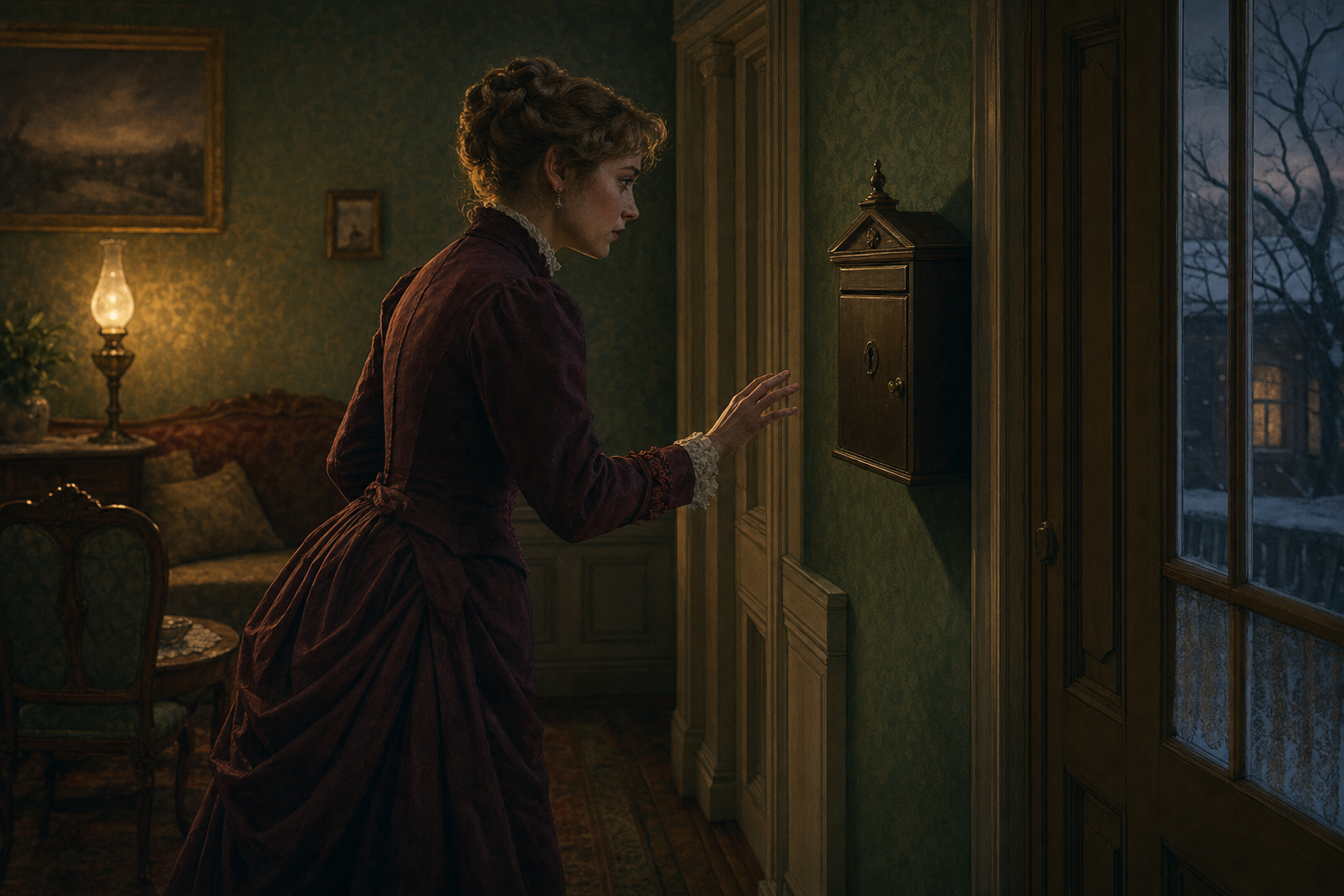
macaroons, Christmas tree, letterbox, tarantella costume, visiting card, bond, rings, keys, final door는 모두 상징적 소품입니다. 입센의 사실주의는 평범한 물건을 통해 권력 구조를 보여 줍니다.
특히 letterbox는 좋습니다. 진실은 집 안에 있지만 노라는 열 수 없습니다. 이 공간 구조가 결혼의 권력 구조를 작게 재현합니다. 시간 제한 에세이에서는 모든 소품을 나열하기보다 두 개만 고르세요. macaroons와 letterbox는 비밀의 확대, tarantella와 door는 공연에서 행동으로의 이동, Rank's cards와 bond는 종이가 사회적 죽음을 운반하는 방식을 보여 줍니다.
3단계: 법과 도덕을 분리하기
노라는 서명을 위조했습니다. 법적으로는 잘못입니다. 그러나 동기는 남편의 생명을 구하는 일이었고, 당시 사회는 그녀에게 합법적 선택지를 거의 주지 않았습니다.
좋은 에세이는 두 사실을 동시에 잡습니다. 입센은 위조가 괜찮다고 말하지 않습니다. 법이 동기를 무시할 때 어떤 부정의가 생기는지 보여 줍니다.
이 구분은 크로그스타드 분석에도 중요합니다. 그는 결백하지 않지만, 사회적 낙인이 사람을 영구히 가두는 방식도 보여 줍니다. 린데 부인이 그를 변화 가능한 사람으로 다시 볼 때, 작품은 법적·사회적 라벨과 인간적 판단을 대비시킵니다.
4단계: 두 통의 편지 구조 보기
결말의 위기는 편지 한 통이 아니라 두 통으로 이루어집니다. 첫 번째 편지는 위험 앞의 토르발을 시험하고, 그의 두려움을 드러냅니다. 두 번째 편지는 위험을 제거하고, 그의 용서가 조건부였음을 드러냅니다. 노라의 결정은 이 두 테스트를 모두 본 뒤에 나옵니다.
이 순서를 답안에 분명히 쓰면 결말을 방어하기 쉽습니다. 토르발이 화만 냈다면 “순간적으로 나쁜 반응”이라고 볼 수도 있습니다. 그러나 두 번째 편지 뒤의 안도는 그의 다정함이 이해가 아니라 공적 안전에 달려 있음을 보여 줍니다.
5단계: 결말을 교육으로 읽기
노라는 자신을 교육해야 한다고 말합니다. 이 표현은 결말을 단순한 승리로 만들지 않습니다. 그녀는 모든 답을 알아서 떠나는 것이 아니라, 아직 알지 못하기 때문에 떠납니다.
그래서 thesis도 더 정교해질 수 있습니다. "Nora chooses freedom"도 가능하지만 얇습니다. "Nora chooses the uncertain conditions required for moral education over the safe role that prevents judgment"라고 쓰면, 왜 불확실성이 결말의 윤리와 연결되는지 설명할 수 있습니다.
Worked example: I have been your doll-wife
Literal situation: 노라는 토르발이 자신을 아버지처럼 다루었다고 말합니다.
Evidence: doll-wife.
Device: metaphor, title symbol, domestic imagery.
Meaning: 노라의 역할은 동등한 성인이 아니라 예쁘게 다루어지는 장식물에 가까웠습니다.
Essay sentence: Ibsen's "doll-wife" metaphor transforms the pleasant Helmer home into a miniature theatre of possession, revealing that Nora's charm has been cultivated as a substitute for personhood.
5. Literary Devices: 『인형의 집』에서 바로 쓰는 장치
Dramatic irony: 관객이 먼저 아는 진실
관객은 토르발보다 먼저 노라의 희생을 압니다. 그래서 토르발의 돈 훈계와 도덕적 확신은 단순한 코미디가 아니라 아픈 아이러니가 됩니다.
이 아이러니는 노라를 보는 관객의 시선도 바꿉니다. 처음에는 마카롱을 숨기고 돈을 조르는 행동이 유치해 보일 수 있지만, 비밀 차용을 알고 나면 그 행동들은 성인 능력을 숨겨야 하는 결혼 안에서의 생존 전략으로 읽힙니다.
Symbolic props: 평범한 물건의 힘
입센의 소품은 현실적이지만 중립적이지 않습니다. 마카롱은 숨은 욕망, 편지함은 통제, 랭크의 카드는 예의 속 죽음, 차용증은 사랑을 법적 증거로 만드는 힘, 마지막 문은 되돌릴 수 없는 자아의 소리를 나타냅니다.
소품들은 단계적으로 커집니다. 마카롱은 사적이고 거의 코믹한 비밀입니다. 차용증과 편지는 법적이고 위험한 비밀입니다. 마지막 문은 공적이고 들리는 단절입니다. 이 이동을 따라가면, 사소한 가정의 비밀이 어떻게 사회적 균열로 커지는지 설명할 수 있습니다.
Foil structure: Nora and Mrs. Linde
린데 부인은 노동과 필요와 타협을 겪은 여성입니다. 노라가 보호받은 인형처럼 보일수록, 린데 부인은 성인의 현실을 비춥니다.
이 대비는 “현명한 린데 대 어리석은 노라”처럼 단순하지 않습니다. 린데 부인은 경제적 필요 때문에 성인이 되었고, 노라는 성인 능력을 유치한 연기 뒤에 숨기도록 강요받았습니다.
Moral reversal: Krogstad and Torvald
초반에는 크로그스타드가 부패했고 토르발이 존경받는 사람처럼 보입니다. 결말에 이르면 크로그스타드는 자비를 선택할 수 있고, 토르발의 체면은 사랑보다 앞선다는 사실이 드러납니다.
이 reversal은 좋은 thesis가 됩니다. 크로그스타드는 잘못을 했고 협박도 하지만, 인정받자 방향을 바꿀 수 있습니다. 반대로 토르발은 사회적 지위와 깨끗한 언어를 가졌지만, 위험 앞에서 노라를 정서적으로 버립니다.
Realism: 평범한 방, 비범한 압력
입센의 사실주의는 거대한 사건을 필요로 하지 않습니다. 응접실, 은행 직장, 빚, 서명, 편지함, 부부 사이의 애칭만으로 비극이 생깁니다. 이 점은 setting 분석에서 중요합니다. 무대는 배경이 아니라 사회 제도가 압축된 공간입니다.
Theatrical performance: tarantella and dollhood
타란텔라는 공연 안의 공연입니다. 노라는 사회적으로 허용된 매력적인 여성 역할을 춤추면서, 동시에 파국을 늦추려 합니다. 토르발은 공적 전시를 위한 아름다운 아내를 교정한다고 믿고, 노라는 편지를 읽히지 않으려 애씁니다.
이중 의미는 제목과 연결됩니다. 노라의 결혼 전체가 연극적이었습니다. 그녀는 배치되고, 감상되고, 교정되고, 박수받았지만, 들어지지는 않았습니다. 결말은 노라가 공연을 멈추고 무대 자체를 비판하는 순간입니다.
Counterpoint: Mrs. Linde and Krogstad
린데 부인과 크로그스타드의 줄거리는 부가 장면이 아닙니다. 두 사람은 노라와 토르발에게 부족한 것을 보여 줍니다. 장식 없는 성인의 필요, 과거에 대한 인정, 정직한 협상입니다.
이 대비 덕분에 작품은 모든 의존이 나쁘다고 말하지 않습니다. 문제는 누군가를 필요로 하는 것이 아니라, 한 사람의 필요가 통제가 되고 다른 사람의 희생이 보이지 않아야 유지되는 관계입니다.
6. 인물 분석을 영어 답안으로 바꾸기
인물을 쓰기 전 네 가지를 확인하세요.
- Role: What function does the character serve in the work?
- Pressure: What desire, fear, rule, or conflict shapes the character?
- Device: How does Ibsen present that character: dialogue, contrast, irony, prop, staging, or timing?
- Essay sentence: What arguable claim can this character support?
Nora Helmer
performer who becomes a moral subject
Nora의 arc는 charming performance에서 self-education으로 이동합니다. 그녀의 secrecy는 공허함이 아니라 성인 능력이 지하로 밀려났다는 증거입니다.
Essay sentence: Nora's final exit is prepared by the revelation that her childishness has been a role demanded by marriage, not her natural identity.
Torvald Helmer
respectable husband whose love depends on control
Torvald의 tenderness는 조건부입니다. Nora가 그의 authority와 social image를 확인해 줄 때만 안정됩니다.
Essay sentence: Torvald's collapse after Krogstad's letter reveals that his moral language protects reputation more than love.
Mrs. Linde
foil and practical truth-teller
Mrs. Linde의 work history는 Nora가 거부당한 현실 감각을 보여 줍니다. 그녀는 comfort보다 truth를 선택하도록 줄거리를 밀어냅니다.
Essay sentence: Through Mrs. Linde, Ibsen contrasts decorative domesticity with the hard knowledge produced by work and necessity.
Krogstad
threatening creditor who can still change
Krogstad는 Nora의 어두운 거울입니다. 둘 다 위조와 평판 문제에 묶여 있고, 사회적 낙인은 그를 위험하게 만들었습니다.
Essay sentence: Krogstad functions as a dark mirror of Nora, proving that forgery becomes socially meaningful through reputation and power.
Dr. Rank
polite death inside the household
Rank의 inherited illness는 응접실 안에 death와 decay를 들여옵니다. 그는 말하지 못한 진실이 예의 바른 물건으로 전달되는 방식을 보여 줍니다.
Essay sentence: Dr. Rank's black-cross cards show how Ibsen uses polite objects to carry truths the Helmer home cannot speak directly.
Anne-Marie
class labor beneath ideal motherhood
Anne-Marie는 motherhood가 감정만이 아니라 money와 work의 문제라는 사실을 보여 줍니다.
Essay sentence: Anne-Marie's history exposes the class sacrifice hidden beneath Torvald's idealized language about mothers and children.
7. 주제별 Thesis 만들기
Marriage
Performance and Control
Weak: Nora and Torvald have a bad marriage.
Strong: Ibsen presents the Helmer marriage as a performance of affection in which Nora must appear childlike so Torvald can appear protective.
Law
Forgery and Moral Motive
Weak: Nora breaks the law.
Strong: Nora's forgery exposes a conflict between legal respectability and moral sacrifice in a society that restricts women's agency.
Props
Objects as Power
Weak: The letterbox is important.
Strong: The locked letterbox turns domestic space into a symbol of male control because Nora's truth is inside the home but outside her reach.
Reputation
Respectability and Fear
Weak: Torvald cares what people think.
Strong: Torvald's response to the first letter reveals that respectability can imitate morality while actually protecting fear, status, and self-image.
Ending
Selfhood Before Role
Weak: Nora leaves Torvald.
Strong: Nora's exit rejects reconciliation because she recognizes that wifehood and motherhood cannot be ethical if they erase personhood.
8. SAT Reading Sample
아래 문제는 공식 College Board 문제가 아니라, 작품 원문과 시험 유형을 바탕으로 만든 SAT Reading 스타일 연습문제입니다. 질문, 보기, Answer: X. 표기는 영어로 두고, 해설은 한국어로 정리했습니다.
Question 1
Torvald's pet names for Nora primarily function to:
- A. establish their marriage as fully equal
- B. reveal affection mixed with belittling control
- C. prove Nora dislikes animals
- D. introduce a literal bird motif only
Answer: B. 애칭은 다정해 보이지만 노라를 작고 장식적인 존재로 반복해서 만듭니다. A는 위계를 지우고, C와 D는 비유를 문자 그대로 읽습니다.
Question 2
The macaroons in Act I most strongly symbolize:
- A. Nora's hidden appetite and small acts of secrecy
- B. Torvald's profession at the bank
- C. Mrs. Linde's poverty
- D. Krogstad's legal education
Answer: A. 마카롱은 작은 즐거움조차 통제되는 집에서 노라가 감추어야 하는 욕망을 보여 줍니다.
Question 3
Torvald's "No debt, no borrowing" is ironic because:
- A. he secretly works for Krogstad
- B. Nora's hidden loan helped save his life
- C. Mrs. Linde dislikes money
- D. Dr. Rank owns the house
Answer: B. 토르발의 원칙은 노라의 희생을 모르는 상태에서만 깨끗해 보입니다.
Question 4
Krogstad's claim about law and motives mainly shows:
- A. law always understands private sacrifice
- B. Nora has no moral conflict
- C. legal judgment can ignore ethical intention
- D. Torvald forged the bond
Answer: C. 법은 노라의 동기보다 서명의 사실을 봅니다. 이 충돌이 작품의 핵심입니다.
Question 5
Mrs. Linde functions as Nora's foil because she:
- A. has lived through work and necessity
- B. has never made a sacrifice
- C. agrees with Torvald about everything
- D. wants Nora to remain childish
Answer: A. 린데 부인의 노동과 필요의 경험은 노라의 장식적 결혼 생활과 대비됩니다.
Question 6
The locked letterbox is important because it:
- A. proves Torvald has no authority
- B. belongs to Dr. Rank
- C. hides the Christmas tree
- D. contains a secret Nora cannot access
Answer: D. 집 안에 진실이 있지만 열쇠는 토르발에게 있다는 점이 권력 구조를 보여 줍니다.
Question 7
The tarantella scene is best read as:
- A. pure celebration with no tension
- B. Nora converting panic into performance
- C. Mrs. Linde's wedding dance
- D. Krogstad's legal argument
Answer: B. 노라는 춤을 통해 편지 읽기를 늦추고 공포를 공연으로 바꿉니다.
Question 8
Dr. Rank's black-cross card links:
- A. banking and Christmas gifts
- B. law and geography
- C. childhood and school
- D. etiquette and mortality
Answer: D. 방문 카드라는 예의의 물건이 죽음의 신호가 됩니다.
Question 9
The phrase "A wonderful thing is going to happen" mainly reveals Nora's:
- A. certainty that Krogstad has forgiven her
- B. hope that Torvald's love will become public sacrifice
- C. plan to avoid the tarantella
- D. indifference to the letter
Answer: B. 노라는 토르발이 공개적으로 책임을 떠안을 만큼 사랑을 증명할 것이라고 상상합니다. 뒤의 반응이 이 기대를 무너뜨립니다.
Question 10
Torvald's reaction to Krogstad's first letter reveals that he:
- A. immediately understands Nora's sacrifice
- B. values reputation before Nora's motive
- C. wants to confess publicly
- D. already knew the secret
Answer: B. 그는 먼저 스캔들과 평판을 걱정합니다.
Question 11
The second letter is dramatically important because it:
- A. erases Nora's insight
- B. proves Krogstad never changed
- C. makes Torvald's forgiveness depend on safety
- D. ends the play before Nora speaks
Answer: C. 위험이 사라진 뒤에야 가능한 용서라는 점이 토르발의 한계를 드러냅니다.
Question 12
Nora's command that Torvald sit down before their final conversation marks:
- A. her return to childish play
- B. Torvald's complete control of the scene
- C. a shift from performance to direct speech
- D. the end of all conflict
Answer: C. 노라는 더 이상 애교로 설득하지 않고 대화의 방향을 직접 잡습니다.
Question 13
Nora's "doll-wife" metaphor suggests that:
- A. she enjoyed being treated as a toy
- B. Torvald works as a dollmaker
- C. the children caused the conflict
- D. her marriage has denied adult equality
Answer: D. 이 은유는 결혼이 노라를 성인으로 대하지 않았다는 사실을 압축합니다.
Question 14
The play's single main setting helps Ibsen:
- A. make domestic space reveal social power
- B. avoid all social criticism
- C. turn the play into travel writing
- D. remove suspense
Answer: A. 응접실 하나가 법, 젠더, 돈, 체면의 압력을 드러내는 무대가 됩니다.
Question 15
Krogstad's reunion with Mrs. Linde complicates him by showing:
- A. he cannot change
- B. recognition can restore moral possibility
- C. he is Torvald's brother
- D. he never threatened Nora
Answer: B. 린데 부인이 그를 낙인 너머의 사람으로 보면서 변화 가능성이 생깁니다.
Question 16
Anne-Marie, the nurse, quietly emphasizes:
- A. Nora's hatred of children from the start
- B. Torvald's musical talent
- C. the economic cost hidden beneath idealized motherhood
- D. Rank's legal authority
Answer: C. 안네마리는 모성이 계급과 노동 조건 속에서 움직인다는 사실을 보여 줍니다.
Question 17
Nora's final desire to educate herself means:
- A. she wants the right to develop judgment
- B. she already knows every answer
- C. she rejects thinking
- D. she wants Torvald to hire a tutor for himself
Answer: A. 결말은 완성된 지식보다 판단 능력을 기를 권리에 관한 장면입니다.
Question 18
The Christmas tree most likely reinforces:
- A. Krogstad's career success
- B. Mrs. Linde's childhood
- C. Norway's geography
- D. decorative domestic display under strain
Answer: D. 크리스마스 트리는 아름답게 꾸민 가정의 표면과 숨은 위기를 함께 보여 줍니다.
Question 19
When Nora says "I have other duties just as sacred," she mainly:
- A. denies that ethics matter
- B. claims selfhood as a moral obligation
- C. accepts Torvald's definition of motherhood
- D. changes the topic to banking
Answer: B. 노라는 자기 자신에게도 판단할 수 있는 사람이 되어야 할 도덕적 의무가 있다고 말합니다.
Question 20
Which claim best captures the play's central conflict?
- A. A holiday party is difficult to plan.
- B. A bank manager dislikes Christmas.
- C. A hidden debt exposes the unequal structure of a respectable marriage.
- D. A doctor cures Nora's illness.
Answer: C. 빚의 비밀이 결혼, 젠더, 법, 체면의 구조를 드러냅니다.
9. AP Lit Essay Questions
아래 문항은 구체적 장면을 thesis, outline, textual evidence, commentary로 바꾸는 AP Lit 스타일 연습 질문입니다.
Essay Question 1
Analyze how Ibsen uses Torvald's pet names to establish the emotional and power structure of the Helmer marriage.
Essay Question 2
Discuss the macaroons as a small but revealing symbol of secrecy, appetite, and control.
Essay Question 3
Analyze Nora's loan and forgery as a conflict between law and moral intention.
Essay Question 4
Compare Nora and Mrs. Linde as foils. How does each woman's economic history shape her understanding of marriage?
Essay Question 5
Write about Krogstad as both antagonist and social mirror. How does the play complicate his guilt?
Essay Question 6
Analyze the letterbox as a symbolic prop. How does its placement inside the home make power visible?
Essay Question 7
Discuss Dr. Rank's function in the play's treatment of inherited decay, secrecy, and unspoken desire.
Essay Question 8
Analyze the tarantella scene as performance under pressure.
Essay Question 9
Explain how Ibsen uses the Christmas setting to contrast domestic warmth with hidden crisis.
Essay Question 10
Analyze Torvald's response to Krogstad's first letter as a revelation of character.
Essay Question 11
Discuss the structural importance of the second letter. Why does Torvald's relief matter as much as his anger?
Essay Question 12
Write about the title metaphor. What does it mean for a home to be a doll's house?
Essay Question 13
Analyze how Ibsen uses realism to make ordinary domestic life politically and morally serious.
Essay Question 14
Compare Torvald and Krogstad as men concerned with reputation. Which one proves more capable of moral change?
Essay Question 15
Discuss Anne-Marie and the children as part of the play's argument about motherhood.
Essay Question 16
Analyze Nora's final conversation as a scene of education rather than simple rebellion.
Essay Question 17
Explain how Ibsen builds suspense through delayed reading, locked objects, and withheld truth.
Essay Question 18
Discuss whether the play presents Nora's exit as liberation, uncertainty, or both.
Essay Question 19
Analyze the relation between performance and authenticity across Nora's arc.
Essay Question 20
Write a thesis-driven essay about the final door slam as both theatrical sound and thematic symbol.
10. Model Thesis Bank
- Ibsen uses Torvald's animal pet names to make affection itself reveal hierarchy, turning marriage language into a system of miniature control.
- The macaroons symbolize Nora's hidden appetite for small freedoms inside a marriage that regulates even pleasure.
- Nora's forgery exposes the failure of a legal system that can punish sacrifice while protecting male authority.
- Mrs. Linde functions as Nora's foil by embodying economic adulthood rather than decorative dependence.
- Krogstad's disgrace mirrors Nora's danger, showing how reputation can define morality more harshly than motive.
- The locked letterbox turns the Helmer home into a structure where Nora's truth is present but controlled by Torvald.
- Dr. Rank's illness brings hidden decay into the drawing room and parallels the marriage's concealed sickness.
- The tarantella converts Nora's terror into performance, showing how femininity becomes both prison and temporary weapon.
- The Christmas setting intensifies the contrast between domestic display and moral crisis.
- Torvald's reaction to the first letter reveals that his love is conditional on public safety and private control.
- The second letter does not save the marriage; it clarifies that Torvald's forgiveness is based on reputation rather than understanding.
- The doll-house metaphor shows that the Helmer home is arranged for appearance, play, and possession rather than equality.
- Ibsen's realism gives ordinary props enough pressure to expose an entire social order.
- Torvald and Krogstad both fear social disgrace, but Krogstad proves more capable of moral change because he can respond to recognition.
- Anne-Marie's history reveals the class labor hidden beneath idealized motherhood.
- Nora's final conversation is an education scene because she learns to name the system that shaped her.
- Ibsen builds suspense by making truth physically present but temporally delayed.
- Nora's exit is liberating precisely because it is uncertain; she chooses development over safe dollhood.
- The play defines authenticity as the painful movement from pleasing performance to self-directed judgment.
- The final door slam transforms a domestic sound into a theatrical symbol of modern selfhood.
11. Academic Vocabulary for Essays
- dramatic irony: 관객은 알지만 인물은 모르는 정보에서 생기는 아이러니
- realism: 일상 현실과 사회 조건을 진지하게 다루는 사실주의
- symbolic prop: 줄거리 기능을 넘어 주제 의미를 갖는 소품
- foil: 대비를 통해 다른 인물을 선명하게 하는 인물
- domestic ideology: 결혼, 가정, 성 역할, 모성에 대한 사회적 믿음
- reputation: 사적 선택까지 압박하는 공적 평판
- moral agency: 스스로 판단하고 윤리적으로 행동할 능력
- legalism: 동기와 맥락보다 법 조항을 앞세우는 태도
- patronizing diction: 다정해 보이지만 우위를 주장하는 말투
- objectification: 사람을 장식물이나 소유물처럼 대하는 것
- self-education: 자기 판단을 형성하는 과정
- social critique: 문학이 부당한 사회 규범을 드러내는 방식
- subtext: 대사 아래에 숨어 있는 의미
- theatricality: 역할, 공연, 관객, 무대성을 의식하는 성질
- delayed revelation: 중요한 진실을 늦추어 긴장을 만드는 구조
- moral reversal: 인물에 대한 도덕적 판단이 바뀌는 전환
- respectability: 예의, 지위, 순응을 통해 얻는 사회적 승인
- autonomy: 스스로 선택할 수 있는 능력
- rupture: 관계나 사회 질서와의 결정적 단절
- ambiguous liberation: 필요하지만 불확실한 해방