죄와 벌 학습자료 - 미국 유학, AP English, SAT Reading 대비
영어 원문을 근거로 Crime and Punishment을 AP English Literature, SAT Reading, IB English, 미국식 에세이로 연결하는 실전 학습 가이드입니다.
이 학습자료는 미국식 문학 수업과 영어 에세이 작성을 목표로 합니다. 작품 전체 흐름을 먼저 잡고 싶다면 본문 해설을 먼저 읽어도 좋습니다.
이 자료의 목표
한국어로 설명하지만, 실제 시험과 수업에서 필요한 표현은 영어로 익히는 방식입니다. 목표는 죄와 벌의 줄거리 암기가 아니라 textual evidence → close reading → interpretation → thesis로 이어지는 답안 작성 능력입니다.
- 작품의 주요 사건을 시험용 구조로 정리하기
- 짧은 영어 근거를 해석 문장으로 바꾸기
- 문학 장치를 thesis와 body paragraph로 연결하기
- SAT Reading 유형과 AP Lit essay 질문에 대비하기
1. Quick Review
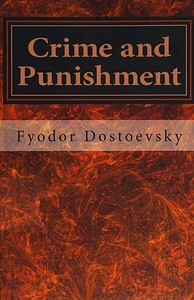
- Original title: Crime and Punishment
- Author: Fyodor Dostoevsky
- Published: 1866
- Source: Project Gutenberg eBook #2554
- Genre: psychological novel, philosophical fiction, Russian realism
- Core themes: Guilt, Theory, Confession, Poverty
- Exam focus: plot structure, character motive, symbolism, diction, irony, and ending interpretation
2. 시험용 줄거리 구조
1. 출발점
페테르부르크의 더위와 빈곤 속에서 라스콜니코프는 자신이 평범한 도덕을 넘어설 수 있는지 시험하려 합니다.
시험 답안에서는 이 장면을 단순 사건이 아니라 인물의 욕망, 사회적 압력, 상징이 만나는 지점으로 정리하세요.
2. 균열
전당포 노파 살해는 계산된 행위처럼 보이지만, 우발적으로 리자베타까지 죽이며 이론은 즉시 현실의 피로 무너집니다.
시험 답안에서는 이 장면을 단순 사건이 아니라 인물의 욕망, 사회적 압력, 상징이 만나는 지점으로 정리하세요.
3. 핵심 원문 구절 읽기
이 구간은 단순히 "외울 만한 문장"을 모아 둔 목록이 아닙니다. 미국식 문학 수업에서는 짧은 원문 한 줄을 가져와도 그 문장이 놓인 장면, 말하는 사람의 위치, 단어 선택, 문장 리듬, 작품 전체의 주제까지 연결해야 합니다. 그래서 아래 Passage들은 모두 영어 원문을 그대로 두고, 장면 맥락과 close reading 방향을 함께 정리했습니다.
읽을 때는 먼저 문장의 표면 의미를 확인한 뒤, 눈에 띄는 단어를 표시하세요. 그 다음 그 단어가 인물의 욕망, 두려움, 권력, 계급, 정체성, 죄책감, 자유 같은 추상적 주제를 어떻게 보이게 만드는지 생각하면 됩니다. 좋은 답안은 "이 문장은 중요하다"에서 끝나지 않습니다. "이 문장의 특정 표현이 작품 전체의 의미를 이렇게 바꾼다"까지 말해야 합니다.
한국어 학습자는 원문을 번역해 이해하는 단계에서 멈추기 쉽습니다. 하지만 AP English, SAT Reading, IB English, 미국 학교 essay에서는 번역보다 evidence -> interpretation -> claim의 연결이 중요합니다. 아래 구절마다 Context, Close reading, Essay use를 따로 둔 이유도 이 때문입니다. 먼저 영어 문장을 읽고, 이어서 한국어 해설을 통해 답안 문장으로 바꾸는 훈련을 해보세요.
Passage 1: ordinary and extraordinary men
Ordinary men have to live in submission, have no right to transgress the law... But extraordinary men have a right to commit any crime
맥락: 포르피리는 수사 중 라스콜니코프의 "비범한 인간" 이론을 끌어냅니다. 살인의 동기가 단순한 돈 문제가 아니라 인간을 등급화하는 사상과 연결되어 있음을 드러내는 장면입니다.
읽는 법: Ordinary, extraordinary, submission, right, crime은 인간을 추상적 범주로 나눕니다. 문장의 대조 구조는 논리적으로 보이지만, 실제로는 타인을 법과 도덕 밖으로 밀어내는 폭력을 숨깁니다.
시험 포인트: AP/IB에서는 ideology와 dehumanization을, SAT에서는 contrast와 abstract diction의 효과를 분석할 수 있습니다.
Essay use: Dostoevsky exposes violence inside theory by showing how Raskolnikov's categories turn people into material for proof.
Passage 2: I could not do it
My God! Anyway I couldn't bring myself to it! I couldn't do it, I couldn't do it!
맥락: 범행 전 라스콜니코프는 이미 자기 계획을 몸으로 거부합니다. 법의 처벌이 오기 전에 양심과 신체 반응이 먼저 등장한다는 점이 중요합니다.
읽는 법: I couldn't do it의 반복과 감탄부호는 그의 이론이 매끄럽게 유지되지 못함을 보여 줍니다. My God!은 지적 계산의 언어가 아니라 충격과 공포의 언어입니다. 톤은 논문식 확신이 아니라 무너지는 내적 독백에 가깝습니다.
시험 포인트: AP/IB에서는 conscience와 bodily guilt를, SAT에서는 repetition이 character psychology를 어떻게 드러내는지 설명하면 좋습니다.
Essay use: The repeated refusal shows that conscience resists Raskolnikov's theory before any court can punish him.
Passage 3: the candle and the eternal book
The candle-end was flickering out in the battered candlestick, dimly lighting up in the poverty-stricken room the murderer and the harlot who had so strangely been reading together the eternal book.
맥락: 소냐의 가난한 방에서 라스콜니코프는 라자로 이야기를 듣습니다. 살인자와 사회적으로 낙인찍힌 여성이 함께 성서를 읽는 장면이라, 구원은 존경받는 공간이 아니라 가장 낮은 곳에서 시작됩니다.
읽는 법: flickering, battered, poverty-stricken은 물리적 빈곤을 만들고, murderer와 harlot은 사회적 낙인을 드러냅니다. 그런데 그들이 읽는 것은 the eternal book입니다. 한 문장 안에서 추락과 갱생의 가능성이 충돌합니다.
시험 포인트: AP/IB에서는 religious imagery와 setting을, SAT에서는 descriptive detail이 theme을 만드는 방식을 묻는 문제로 연결됩니다.
Essay use: The Lazarus scene places redemption inside poverty and stigma, refusing to separate grace from social degradation.
Passage 4: bowed down to suffering humanity
I did not bow down to you, I bowed down to all the suffering of humanity.
맥락: 라스콜니코프는 소냐 앞에 절하면서 그 행위가 개인 숭배가 아니라 고통받는 인간 전체에 대한 인정이라고 수정합니다. 그의 추상적 이론이 타인의 고통을 처음으로 제대로 보기 시작하는 순간입니다.
읽는 법: not...you, all the suffering of humanity의 구조는 한 사람에게 향한 몸짓을 보편적 인식으로 확장합니다. bowed down은 머리로 이해하는 생각이 아니라 몸으로 낮아지는 행동이기 때문에, 그의 pride와 강하게 대비됩니다.
시험 포인트: AP/IB에서는 compassion과 humility를, SAT에서는 correction 구조가 의미를 어떻게 확장하는지 분석할 수 있습니다.
Essay use: Raskolnikov's correction turns Sonya into the doorway through which he recognizes suffering humanity beyond his theory.
Passage 5: murder without casuistry
I wanted to murder without casuistry, to murder for my own sake, for myself alone!
맥락: 소냐에게 고백하는 장면에서 라스콜니코프는 가난, 사회 개혁, 비범한 인간 이론 같은 명분을 벗겨 냅니다. 남는 것은 for myself alone이라는 자기중심적 동기입니다.
읽는 법: casuistry는 죄를 논리와 궤변으로 포장하는 언어를 뜻합니다. to murder, for my own sake, for myself alone의 반복은 살인을 사상 실험이 아니라 자기 욕망의 고백으로 좁혀 갑니다.
시험 포인트: AP/IB에서는 confession과 self-deception의 붕괴로, SAT에서는 key word와 repetition이 motive를 어떻게 드러내는지 읽으면 좋습니다.
Essay use: The confession collapses Raskolnikov's intellectual excuses into a stark admission of self-centered will.
Passage 6: stand at the cross-roads
Go at once, this very minute, stand at the cross-roads, bow down, first kiss the earth which you have defiled and then bow down to all the world
맥락: 소냐는 회개를 마음속 후회로 남겨 두지 않습니다. 교차로에 서고, 땅에 입 맞추고, 세상 앞에 절하라는 명령은 죄책감을 공적이고 신체적인 행위로 바꿉니다.
읽는 법: Go, stand, bow down, kiss처럼 명령형 동사가 이어집니다. cross-roads는 선택과 방향 전환의 장소이고, earth which you have defiled는 범죄가 개인의 머릿속이 아니라 세계를 더럽힌 행위라는 의미를 만듭니다.
시험 포인트: AP/IB에서는 embodied confession과 moral return을, SAT에서는 imperative syntax와 spatial symbolism을 설명할 수 있습니다.
Essay use: Sonya's command makes repentance a public, bodily return from isolation to the world he has violated.
Passage 7: beginning of a new story
That is the beginning of a new story--the story of the gradual renewal of a man, the story of his gradual regeneration
맥락: 에필로그는 형벌이 끝났다고 갱생이 완성되었다고 말하지 않습니다. 새로운 이야기는 법적 결말 뒤에 시작되는 느린 내적 변화입니다.
읽는 법: beginning, new story, gradual renewal, gradual regeneration은 결말을 닫지 않고 미래 과정으로 엽니다. gradual의 반복은 구원이 갑작스러운 보상이 아니라 관계와 시간 속에서 천천히 일어나는 변화임을 강조합니다.
시험 포인트: AP/IB에서는 ending interpretation과 redemption 논쟁에, SAT에서는 repetition과 temporal framing의 기능 분석에 적합합니다.
Essay use: Dostoevsky makes punishment incomplete by presenting redemption as the beginning of a future process, not the prize at the end of the plot.
4. Close Reading: 이론과 몸의 충돌 읽기
Crime and Punishment의 close reading은 라스콜니코프가 "무슨 생각을 했는가"만 정리하면 부족합니다. 도스토옙스키는 생각, 몸, 방, 거리, 대화가 서로 충돌하는 방식으로 죄책감을 보여 줍니다. 좋은 답안은 철학적 주장과 신체적 반응을 함께 읽습니다.
1단계: abstract theory와 concrete body를 분리하기
라스콜니코프는 ordinary와 extraordinary 같은 추상어로 살인을 생각합니다. 그러나 범행 전후에는 떨림, 열병, 반복된 부정, 기억의 침입이 나타납니다. AP/IB 답안에서는 이론이 몸을 이기지 못한다는 구조를 잡으세요.
2단계: 방과 거리의 압력 읽기
좁은 방, 전당포, 술집, 붐비는 거리, 교차로는 배경이 아니라 심리와 사회적 고통의 외부 형태입니다. SAT에서는 setting detail의 function을, AP/IB에서는 St. Petersburg를 moral landscape로 분석할 수 있습니다.
3단계: 대화가 심문이 되는 순간 표시하기
포르피리와의 대화, 소냐와의 고백, 마르멜라도프의 술집 고백은 모두 정보 전달이 아니라 자기해석의 압력입니다. 누가 누구를 읽고 있는지, 말하는 사람이 자신을 숨기는지 드러내는지 확인하세요.
4단계: religious imagery를 단순 교훈으로 줄이지 않기
라자로, 십자로, 땅에 입 맞춤, suffering humanity는 종교적 장식이 아닙니다. 이 이미지들은 죄책감이 법적 처벌을 넘어 관계와 세계 앞에서 책임을 져야 한다는 방향으로 확장됩니다.
Worked example: murder without casuistry
Literal situation: 라스콜니코프가 소냐에게 자신의 살인 동기를 설명하며 이전의 명분을 벗겨 냅니다.
Evidence: casuistry, for my own sake, for myself alone.
Device: diction, repetition, confession.
Meaning: casuistry는 그가 살인을 사상과 논리로 포장하던 언어를 가리킵니다. 반복되는 for 구문은 동기를 사회 개혁이나 가난 해결이 아니라 자기 의지와 pride로 압축합니다.
Essay sentence: Dostoevsky uses Raskolnikov's repeated first-person confession to collapse philosophical self-justification into a brutal recognition of selfish will.
5. Literary Devices: 죄와 벌에서 바로 쓰는 장치 9개
이 작품의 장치는 심리, 철학, 사회 현실이 한꺼번에 움직이도록 설계되어 있습니다. 용어를 외우기보다 어떤 장면에서 어떤 압력을 만드는지 연결하세요.
1. Philosophical Diction: 이론의 추상어
Scene evidence: ordinary men, extraordinary men, right, law, crime은 라스콜니코프가 인간을 살아 있는 타인이 아니라 논증의 범주로 바꾸는 방식입니다.
Essay use: Use philosophical diction to show how abstract reasoning can hide moral violence.
2. Repetition and Breakdown: 반복되는 부정
Scene evidence: I couldn't do it의 반복은 살인 전부터 그의 몸과 양심이 이론을 거부한다는 신호입니다. 반복은 확신이 아니라 균열을 드러냅니다.
Essay use: Use repetition to argue that guilt begins before confession or legal punishment.
3. Cramped Setting: 방과 도시의 압박
Scene evidence: 라스콜니코프의 좁은 방, 전당포, 술집, 붐비는 거리는 인물의 심리적 열기와 사회적 빈곤을 외부화합니다.
Essay use: Use setting to connect psychological pressure with urban poverty and moral suffocation.
4. Christian Allusion: 라자로와 갱생
Scene evidence: 소냐가 읽는 라자로 이야기는 살인자와 낙인찍힌 여성이 함께 듣는 장면에서 등장합니다. 갱생은 깨끗한 장소가 아니라 수치와 가난 속에서 시작됩니다.
Essay use: Use Lazarus allusion to show that renewal is possible but not easy, instant, or socially respectable.
5. Foil and Double: 소냐, 스비드리가일로프, 라주미힌
Scene evidence: 소냐는 고통 속의 연민, 스비드리가일로프는 회개 없는 자유, 라주미힌은 일상적 충실함을 보여 줍니다. 이 인물들은 라스콜니코프의 가능성을 서로 다른 방향으로 비춥니다.
Essay use: Use foils to clarify the novel's choices between confession, nihilistic freedom, and ordinary care.
6. Irony: 비범함을 증명하려는 평범한 죄
Scene evidence: 라스콜니코프는 자신이 법 위에 설 수 있다고 믿지만, 살인 직후 열병, 공포, 우발성에 지배됩니다. 이론의 우월성이 몸의 붕괴로 반박됩니다.
Essay use: Use irony to argue that the crime disproves the theory it was meant to test.
7. Threshold Motif: 계단, 문턱, 교차로
Scene evidence: 범죄 장소로 오르는 계단, 방과 거리의 문턱, 소냐가 말한 cross-roads는 숨김과 노출, 범죄와 고백, 고립과 귀환 사이의 이동을 표시합니다.
Essay use: Use thresholds to show how the novel maps moral movement through physical space.
8. Confession Structure: 말하기의 지연과 압력
Scene evidence: 라스콜니코프는 한 번에 고백하지 못하고, 포르피리의 심문과 소냐의 침묵 속에서 점점 자기 언어를 잃습니다. 고백은 정보 공개가 아니라 자기기만의 붕괴입니다.
Essay use: Use confession structure to show that truth must be spoken only after false explanations fail.
9. Temporal Framing: new story와 gradual renewal
Scene evidence: 에필로그의 beginning of a new story와 gradual 반복은 결말을 완성된 구원으로 닫지 않습니다. 처벌 뒤에야 변화의 시간이 시작됩니다.
Essay use: Use temporal framing to argue that redemption is a process beyond the plot's legal resolution.
6. 인물 분석을 영어 답안으로 바꾸기
인물 분석은 "누가 착하고 나쁜가"를 정리하는 구간이 아닙니다. 미국식 문학 essay에서는 인물을 주제와 문학 장치가 만나는 지점으로 읽어야 합니다. 한 인물이 어떤 욕망을 갖고 있는지, 무엇을 오해하는지, 어떤 사회적 압력을 받는지, 작품 끝에서 무엇을 드러내는지를 설명해야 좋은 답안이 됩니다.
한국어로 먼저 생각할 때는 인물을 다음 네 단계로 정리하세요.
- Role: 이 인물이 작품 안에서 맡는 기능
- Pressure: 이 인물이 받는 욕망, 두려움, 사회적 압력
- Device: 작가가 이 인물을 보여주는 방식, 예를 들어 contrast, irony, narration, symbolism
- Essay sentence: 영어 답안에 바로 쓸 수 있는 claim 문장
좋은 영어 답안 문장은 인물 이름만 말하지 않습니다. 다음처럼 인물과 주제, 장치를 함께 연결합니다.
Raskolnikov functions as a divided conscience, and Dostoevsky's use of interior monologue reveals how theory collapses under guilt and human need.
아래 카드는 각 인물을 외우기 위한 것이 아니라, 인물 설명을 실제 essay language로 바꾸기 위한 예시입니다.
Rodion Raskolnikov
theorist, murderer, and divided conscience
Raskolnikov wants to prove that he can step beyond ordinary morality, but his body and mind rebel against the theory before and after the crime.
Essay sentence: Dostoevsky uses Raskolnikov's fever, evasions, and confession to show that conscience survives the theories designed to silence it.
Sonya Marmeladova
suffering witness and moral companion
Sonya is socially humiliated but spiritually steady. She does not excuse Raskolnikov, but she gives him a way to imagine confession and renewal.
Essay sentence: Sonya makes redemption possible by answering Raskolnikov's abstraction with patient, embodied compassion.
Porfiry Petrovich
psychological investigator
Porfiry reads behavior as carefully as evidence. His interrogations make detection a contest over language, pride, and self-knowledge.
Essay sentence: Porfiry turns the investigation into psychological drama by making Raskolnikov confront the theory behind the crime.
Svidrigailov
dark double without repentance
Svidrigailov shows a version of freedom detached from moral return. His presence clarifies what Raskolnikov might become without confession.
Essay sentence: Svidrigailov functions as a dark double whose emptiness reveals the endpoint of desire without responsibility.
Dunya
moral resistance under social pressure
Dunya faces economic and sexual coercion without surrendering her judgment. Her choices expose the selfishness of men who claim to protect her.
Essay sentence: Dunya's resistance broadens the novel's moral conflict beyond Raskolnikov by exposing power used against vulnerable women.
7. Thesis Builder
Guilt
Mind and body
Weak: Raskolnikov feels guilty.
Strong: Dostoevsky makes guilt bodily before it is legal, using fever, fractured thought, and compulsive return to expose the failure of theory.
Theory
Ideas tested by pain
Weak: The theory is wrong.
Strong: The extraordinary-man theory collapses because it cannot answer Lizaveta, Sonya, or any suffering person as more than an obstacle.
Confession
Public return
Weak: He confesses at the end.
Strong: Confession becomes meaningful only when it moves from private torment into public acknowledgment and shared suffering.
Poverty
Social pressure
Weak: The characters are poor.
Strong: Petersburg's poverty turns moral choice into pressure, showing how cramped rooms, debt, hunger, and shame intensify ethical conflict.
8. SAT Reading Sample
아래 문항은 실제 장면과 원문 구절을 바탕으로 만든 SAT-style 연습문제입니다. 공식 College Board 문제가 아니라 inference, function, tone, vocabulary, structure, evidence를 연습하기 위한 자료입니다.
Question 1
When Porfiry summarizes the ordinary and extraordinary men theory, what is the main effect of the categories?
- A. It treats the watch as a random decoration unrelated to the scene.
- B. It claims the passage mainly explains publishing history.
- C. They expose how abstract classification can prepare the mind to excuse violence.
- D. It says the character already understands the conflict completely.
Answer: C. 포르피리가 이 이론을 꺼낼 때 핵심은 사람을 등급으로 나누는 말이 폭력을 사상처럼 보이게 만든다는 점입니다. 다른 보기는 장면의 논리적 압박보다 소품, 출판사, 이미 완결된 이해처럼 근거가 약한 방향으로 빠집니다.
Question 2
Before the murder, Raskolnikov repeats that he could not do it. What does the repetition imply?
- A. His conscience and body resist the theory before the law ever intervenes.
- B. It presents the event as ordinary danger with no change in logic.
- C. It focuses only on physical movement and ignores pacing.
- D. It argues that the scene gives a realistic map of the setting.
Answer: A. 반복되는 부정은 라스콜니코프가 범행 전부터 자기 이론을 몸으로 견디지 못한다는 신호입니다. 오답들은 이 떨림을 평범한 위험, 이동 동선, 지도 같은 표면 정보로 축소합니다.
Question 3
In the murder scene, Lizaveta's unexpected arrival mainly changes the meaning of the crime by doing what?
- A. It treats the change as only a visual gag.
- B. It says identity remains fixed and unquestioned.
- C. It replaces the question with a fact about another character.
- D. It destroys the illusion that the act can remain controlled, rational, or selective.
Answer: D. 리자베타의 등장은 살인이 계산된 실험으로 남을 수 없게 만듭니다. 정체성의 고정, 시각적 농담, 다른 인물에 관한 사실만 말하는 보기는 이 돌발성이 범죄의 의미를 바꾸는 지점을 놓칩니다.
Question 4
Raskolnikov's fever after the murder functions primarily as what?
- A. It claims school knowledge solves the problem immediately.
- B. A physical sign that guilt has entered the body before it becomes confession.
- C. It ignores the wording and focuses only on location.
- D. It says the passage praises memorization without irony.
Answer: B. 열병은 죄책감이 고백이나 재판보다 먼저 몸에 새겨진다는 장치입니다. 학교 지식, 위치 정보, 암기 찬양을 말하는 오답은 도스토옙스키가 심리와 신체 반응을 연결하는 방식을 읽지 못합니다.
Question 5
The pawnbroker's apartment returning in memory suggests what?
- A. It turns the scene into a lesson about weather rather than feeling.
- B. It treats emotion as a minor background prop.
- C. The physical place becomes mental evidence that he cannot leave behind.
- D. It says the character has no inward response.
Answer: C. 전당포 방은 지나간 장소가 아니라 기억 속에서 계속 증거처럼 되돌아오는 공간입니다. 감정이 배경일 뿐이거나 내면 반응이 없다는 보기는 이 장소가 죄책감의 압력으로 바뀌는 과정을 지웁니다.
Question 6
Porfiry's questioning style is best described as what?
- A. It claims every speaker shares the same assumptions.
- B. It ignores fear and treats the exchange as neutral.
- C. It says the scene is mainly a correct history lesson.
- D. A psychological pressure that makes Raskolnikov read himself while being read by another.
Answer: D. 포르피리의 질문은 증거를 들이대기보다 라스콜니코프가 스스로를 해석하게 만드는 심리전입니다. 모두가 같은 전제를 공유한다거나 대화가 중립적이라는 오답은 이 불편한 읽고-읽히는 구조를 놓칩니다.
Question 7
The Lazarus reading in Sonya's room mainly links what ideas?
- A. Spiritual renewal, poverty, shame, and the possibility of return from moral death.
- B. It praises the procedure as an efficient system of justice.
- C. It treats motion itself as proof of meaningful order.
- D. It says the scene has no relation to social rules.
Answer: A. 소냐의 방에서 읽히는 라자로 이야기는 가난과 수치 속에서도 다시 살아날 가능성을 보여 줍니다. 정의 제도, 동작 자체, 사회 규칙과 무관하다는 보기는 성서 장면이 도덕적 재생과 연결되는 의미를 빼버립니다.
Question 8
When Raskolnikov bows before Sonya, what does his correction about suffering humanity reveal?
- A. It says the question gives a simple factual answer.
- B. It claims the scene is only about physical appearance.
- C. He recognizes in Sonya a broader human suffering that his theory had ignored.
- D. It ignores the pressure created by repetition.
Answer: C. 라스콜니코프의 수정된 말은 소냐 한 사람을 넘어 고통받는 인간 전체를 보게 되었음을 드러냅니다. 단순 사실 확인이나 외모 묘사로 돌리는 선택지는 그의 이론이 외면했던 타인의 고통을 읽지 못합니다.
Question 9
The phrase "murder without casuistry" most directly rejects what?
- A. It treats memory as stable and fully reliable.
- B. The rationalizing language Raskolnikov used to make murder sound like an idea.
- C. It ignores the distortion of familiar language.
- D. It claims education is never connected to identity.
Answer: B. 이 표현은 살인을 논리와 명분으로 포장하던 언어 자체를 벗겨 내는 고백입니다. 기억의 안정성이나 교육 문제를 말하는 보기는 여기서 중요한 자기합리화의 붕괴와 맞지 않습니다.
Question 10
Sonya's command to stand at the crossroads makes confession what kind of act?
- A. It describes the setting as peaceful domestic comfort.
- B. It focuses only on objects and ignores violence.
- C. It says the tone is solemn and realistic throughout.
- D. A public and bodily acknowledgment rather than a private feeling.
Answer: D. 소냐의 명령은 회개를 마음속 감정이 아니라 거리, 몸짓, 공개적 인정으로 바꿉니다. 평화로운 실내나 사물 묘사에 집중하는 오답은 고백이 사회적 공간에서 수행되어야 한다는 요구를 놓칩니다.
Question 11
Svidrigailov's role as a double mainly helps the reader see what?
- A. It treats disorder as a rare exception.
- B. It says the exchange removes all uncertainty.
- C. A possible version of freedom without repentance, responsibility, or renewal.
- D. It ignores the calm logic of the claim.
Answer: C. 스비드리가일로프는 죄를 인정하지 않는 자유가 어디로 향하는지 보여 주는 어두운 거울입니다. 혼란을 예외로 보거나 불확실성이 사라졌다고 보는 오답은 그가 라스콜니코프의 가능성 중 하나를 드러내는 기능을 약화합니다.
Question 12
Dunya's confrontations with Luzhin and Svidrigailov develop which theme?
- A. Moral agency under social and gendered coercion.
- B. It claims the characters make a truthful statement about space.
- C. It says politeness works normally in the scene.
- D. It ignores the protagonist response to exclusion.
Answer: A. 두냐의 대립은 돈, 결혼, 성적 위협 속에서도 판단과 책임을 포기하지 않는 인물의 힘을 보여 줍니다. 공간 진술이나 예의범절만 말하는 보기는 여성에게 가해지는 압력과 선택의 윤리를 읽지 못합니다.
Question 13
Marmeladov's tavern speech mainly presents poverty as what?
- A. It treats time as a normal clock mechanism only.
- B. It says the scene resolves conversation into agreement.
- C. It ignores the link between manners and stalled progress.
- D. A social condition that produces shame while demanding compassion.
Answer: D. 마르멜라도프의 술집 고백은 가난을 개인의 수치이면서 동시에 연민을 요구하는 사회적 현실로 제시합니다. 시간 장치나 대화의 합의만 보는 오답은 자기비난과 사회 비판이 동시에 작동하는 장면을 좁게 읽습니다.
Question 14
Razumikhin's loyalty functions as a contrast to what?
- A. It describes the game or system as stable and fair.
- B. Raskolnikov's dramatic isolation and self-dividing pride.
- C. It focuses on surface play and ignores coercion.
- D. It claims authority has no influence over the scene.
Answer: B. 라주미힌의 충실함은 라스콜니코프가 스스로를 고립시키고 자존심으로 갈라지는 모습과 대비됩니다. 안정된 게임이나 권위의 부재를 말하는 보기는 인물 간 대조가 만드는 윤리적 효과를 설명하지 못합니다.
Question 15
The repeated stairways and thresholds in the novel often suggest what?
- A. Movement between secrecy and exposure, crime and confession, fall and return.
- B. It says the performance is purely decorative.
- C. It ignores fear of punishment as a motive.
- D. It treats the image as separate from authority.
Answer: A. 계단과 문턱은 숨김에서 노출로, 범죄에서 고백으로 이동하는 작품의 동선을 반복해 보여 줍니다. 장식적 이미지나 권위와 무관한 장면이라는 오답은 공간 반복이 죄와 귀환의 구조를 만든다는 점을 놓칩니다.
Question 16
Luzhin's false charity chiefly reveals what about respectability?
- A. It claims the institution follows proper sequence.
- B. It treats the phrase as harmless wordplay only.
- C. It can disguise manipulation while using moral language for selfish ends.
- D. It says evidence fully controls judgment.
Answer: C. 루진의 자선은 도덕적 말투가 실제로는 자기 이익과 조작을 가릴 수 있음을 보여 줍니다. 제도 절차나 말장난으로 돌리는 오답은 존경받는 언어가 어떻게 폭력적인 계산이 되는지 설명하지 못합니다.
Question 17
The dream of the beaten mare complicates Raskolnikov by showing what?
- A. It says the character becomes less able to resist.
- B. It focuses only on the body and ignores interpretation.
- C. It claims the scene removes the character from conflict.
- D. Buried compassion remains inside a mind trying to justify violence.
Answer: D. 매 맞는 말의 꿈은 폭력을 정당화하려는 머릿속에도 지워지지 않는 연민이 남아 있음을 보여 줍니다. 몸만 보거나 갈등이 사라졌다고 보는 오답은 꿈이 범행 전 양심을 드러내는 방식을 놓칩니다.
Question 18
In the Siberian epilogue, legal punishment alone is shown to be what?
- A. Insufficient without inward change and renewed relation to another person.
- B. It treats naming as increasing the illusion power.
- C. It says the wording hides rather than reveals artificiality.
- D. It ignores the connection between recognition and release.
Answer: A. 시베리아 결말은 형벌만으로는 라스콜니코프의 회복이 완성되지 않으며 내적 변화와 관계의 회복이 필요하다고 말합니다. 이름 붙이기나 표현의 인공성에 머무는 오답은 법적 처벌과 영적 갱생의 차이를 보지 못합니다.
Question 19
The phrase "beginning of a new story" affects the ending by doing what?
- A. It says the ending erases every question raised earlier.
- B. It treats the frame as unrelated to real rules.
- C. It makes redemption a future process rather than a completed reward.
- D. It claims imagination is rejected entirely.
Answer: C. "새로운 이야기"라는 말은 구원이 결말에서 주어지는 상이 아니라 앞으로 진행될 긴 변화임을 강조합니다. 모든 질문이 지워졌다거나 상상력이 거부된다는 보기는 열린 결말의 시간성을 반대로 읽습니다.
Question 20
Across the novel, cramped rooms and crowded streets mainly do what?
- A. It presents the protagonist as passive and uninterested.
- B. Externalize psychological pressure and social suffering through setting.
- C. It says questions weaken rather than sharpen agency.
- D. It ignores repeated testing of language and rules.
Answer: B. 좁은 방과 붐비는 거리는 인물의 심리적 압박과 사회적 고통을 바깥 풍경으로 드러냅니다. 주인공이 수동적이라는 말이나 언어와 규칙의 반복을 무시하는 보기는 배경이 단순 장식이 아니라는 점을 놓칩니다.
9. AP Lit Essay Questions
아래 prompt는 줄거리 요약이 아니라 장면 근거로 문학적 주장을 세우는 연습용입니다.
Essay Question 1
Analyze how the extraordinary-man theory turns human beings into categories. How does Dostoevsky expose the violence hidden inside abstract reasoning?
Essay Question 2
Before the murder, Raskolnikov repeatedly recoils from his own plan. Explain how hesitation, disgust, and bodily reaction complicate his intellectual confidence.
Essay Question 3
The murder of Lizaveta breaks the logic Raskolnikov tries to impose on the crime. Discuss how this scene destroys the fantasy of controlled transgression.
Essay Question 4
Raskolnikov's fever and isolation appear before legal punishment. Analyze how the novel makes guilt psychological and physical.
Essay Question 5
The pawnbroker's apartment returns as memory and pressure. Explain how setting becomes evidence inside Raskolnikov's mind.
Essay Question 6
Porfiry investigates through conversation as much as proof. Discuss how interrogation becomes a struggle over language and self-knowledge.
Essay Question 7
Sonya's reading of Lazarus takes place in poverty and disgrace. Analyze how the scene connects degradation with the possibility of renewal.
Essay Question 8
Raskolnikov's bow before Sonya is both personal and universal. Explain how the gesture changes the novel's treatment of suffering.
Essay Question 9
The confession to Sonya strips away false motives. Analyze how repeated first-person language reveals pride, shame, and self-knowledge.
Essay Question 10
The crossroads command turns confession into a public act. Discuss why Dostoevsky makes repentance spatial and bodily.
Essay Question 11
Svidrigailov is not simply a villain. Explain how he operates as a dark double for Raskolnikov and clarifies the stakes of repentance.
Essay Question 12
Dunya resists men who treat her as a solution to their desires. Analyze how her choices expand the novel's critique of coercive power.
Essay Question 13
Marmeladov's tavern confession mixes self-accusation, performance, and social suffering. Discuss its function in the novel's moral world.
Essay Question 14
Compare Razumikhin's practical loyalty with Raskolnikov's isolation. How does ordinary decency become a literary counterforce?
Essay Question 15
Analyze the motif of stairs, thresholds, and crossings. How do these spaces mark movement between secrecy, exposure, and possible return?
Essay Question 16
Luzhin uses respectable language to disguise selfishness. Explain how Dostoevsky exposes moral calculation through tone and scene structure.
Essay Question 17
The dream of the beaten mare appears before the crime. Discuss how dream imagery reveals a compassion that the theory cannot erase.
Essay Question 18
The Siberian epilogue has often divided readers. Defend an interpretation of why Dostoevsky ends with gradual renewal rather than simple punishment.
Essay Question 19
Write an essay on Sonya as witness rather than passive saint. How does her presence reshape confession, suffering, and moral possibility?
Essay Question 20
Analyze how St. Petersburg functions as moral landscape. Use rooms, streets, heat, crowding, or taverns to show how setting pressures ethical choice.
10. Model Thesis Bank
- Dostoevsky uses the extraordinary-man theory to show how abstract ideas become dangerous when they classify living people as material for proof.
- Raskolnikov's pre-crime revulsion reveals that conscience resists the murder before legal punishment or social judgment begins.
- Lizaveta's death destroys the illusion of rational transgression by forcing Raskolnikov's theory to confront an unplanned innocent victim.
- Raskolnikov's fever turns guilt into bodily evidence, proving that punishment begins inside the self before the state can name it.
- The pawnbroker's apartment becomes a recurring mental site, showing that crime leaves spatial traces in memory.
- Porfiry's interrogations transform detective work into psychological reading, where guilt appears through language, pride, and evasion.
- The Lazarus scene joins poverty, stigma, and scripture to suggest that renewal begins where social respectability has failed.
- Raskolnikov's bow before Sonya breaks his abstraction by recognizing suffering humanity in a person his society despises.
- The phrase "murder without casuistry" marks the collapse of rationalization and the beginning of brutal self-knowledge.
- Sonya's crossroads command makes repentance public and embodied, insisting that inward guilt must become accountable action.
- Svidrigailov shows the emptiness of freedom without repentance, making him a dark alternative to Raskolnikov's possible renewal.
- Dunya's resistance exposes the moral poverty of men who turn economic vulnerability into control.
- Marmeladov's tavern confession makes poverty both personal shame and social indictment, demanding judgment and compassion at once.
- Razumikhin's loyalty challenges Raskolnikov's isolation by showing ordinary care as an ethical force.
- The motif of stairs and thresholds maps the novel's movement between secrecy, exposure, fall, and confession.
- Luzhin's false charity reveals how respectable language can become a tool for domination.
- The beaten mare dream preserves compassion inside Raskolnikov before the crime, undermining the hardness his theory requires.
- The Siberian epilogue argues that legal punishment is incomplete unless it opens into inward transformation and relation.
- Sonya functions as witness because she refuses both to excuse Raskolnikov and to reduce him permanently to his crime.
- St. Petersburg externalizes moral pressure through heat, crowding, debt, and cramped rooms, making social suffering inseparable from psychology.
11. Academic Vocabulary for Essays
- diction: word choice that shapes tone and meaning (diction는 답안에서 반드시 장면 근거와 연결해야 합니다.)
- irony: a gap between appearance and reality (irony는 답안에서 반드시 장면 근거와 연결해야 합니다.)
- symbolism: an object, image, or action carrying larger meaning (symbolism는 답안에서 반드시 장면 근거와 연결해야 합니다.)
- narrative structure: the arrangement of events and perspectives (narrative structure는 답안에서 반드시 장면 근거와 연결해야 합니다.)
- foil: a character who clarifies another through contrast (foil는 답안에서 반드시 장면 근거와 연결해야 합니다.)
- motif: a repeated image, word, or situation (motif는 답안에서 반드시 장면 근거와 연결해야 합니다.)
- moral agency: the ability to choose and bear responsibility (moral agency는 답안에서 반드시 장면 근거와 연결해야 합니다.)
- social pressure: force created by class, reputation, money, law, or family (social pressure는 답안에서 반드시 장면 근거와 연결해야 합니다.)
- self-deception: a character's refusal to recognize an uncomfortable truth (self-deception는 답안에서 반드시 장면 근거와 연결해야 합니다.)
- consequence: the cost or result of an action (consequence는 답안에서 반드시 장면 근거와 연결해야 합니다.)